
MOON CAME TO NEW YORK FOR THE MUSIC — THEN TOOK THE RUNWAY
The French-Korean rapper brought her own energy to New York Fashion Week, linked with the Musa Creator Circle, and turned an unexpected runway appearance into another chapter in hip-hop's relationship with fashion.
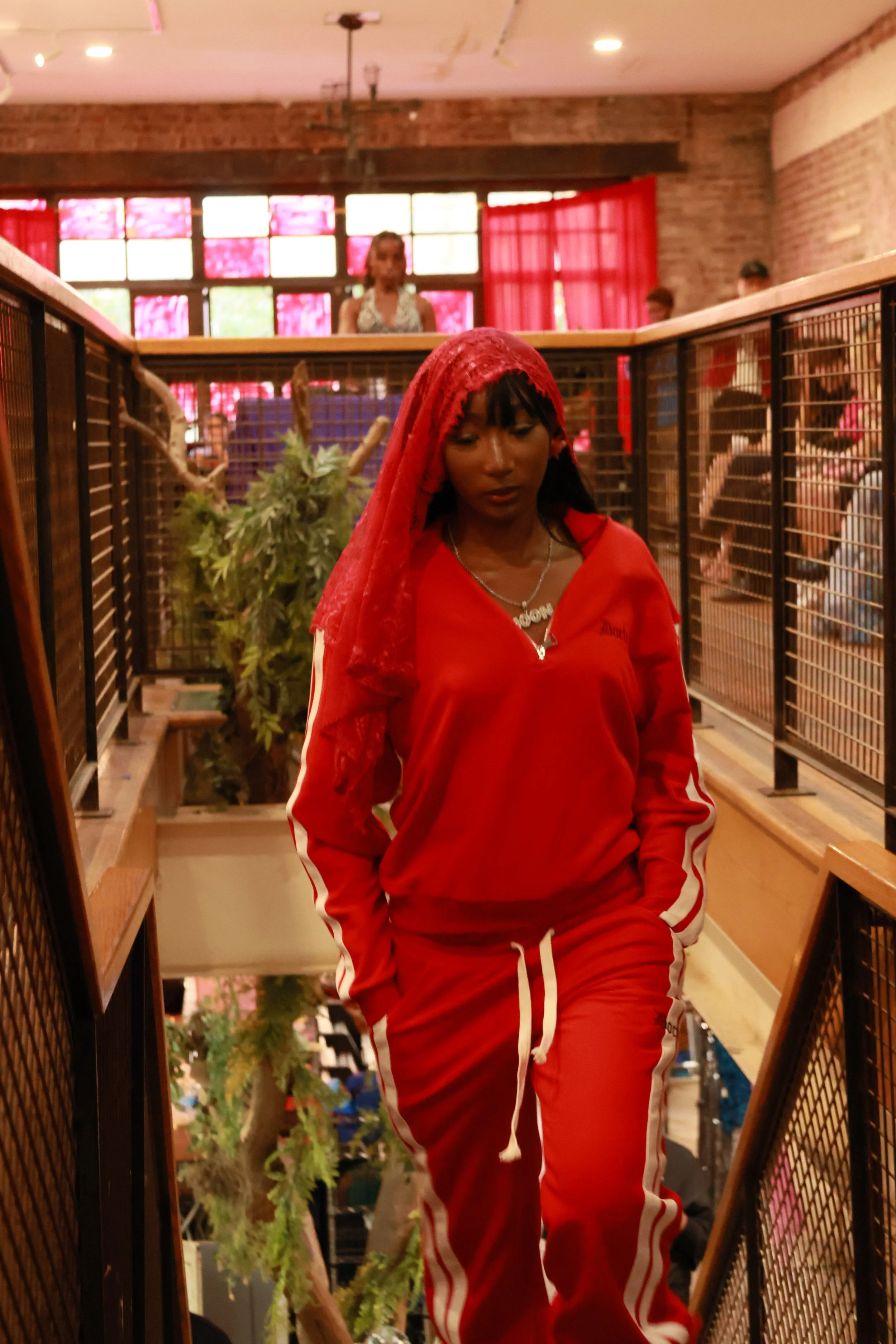
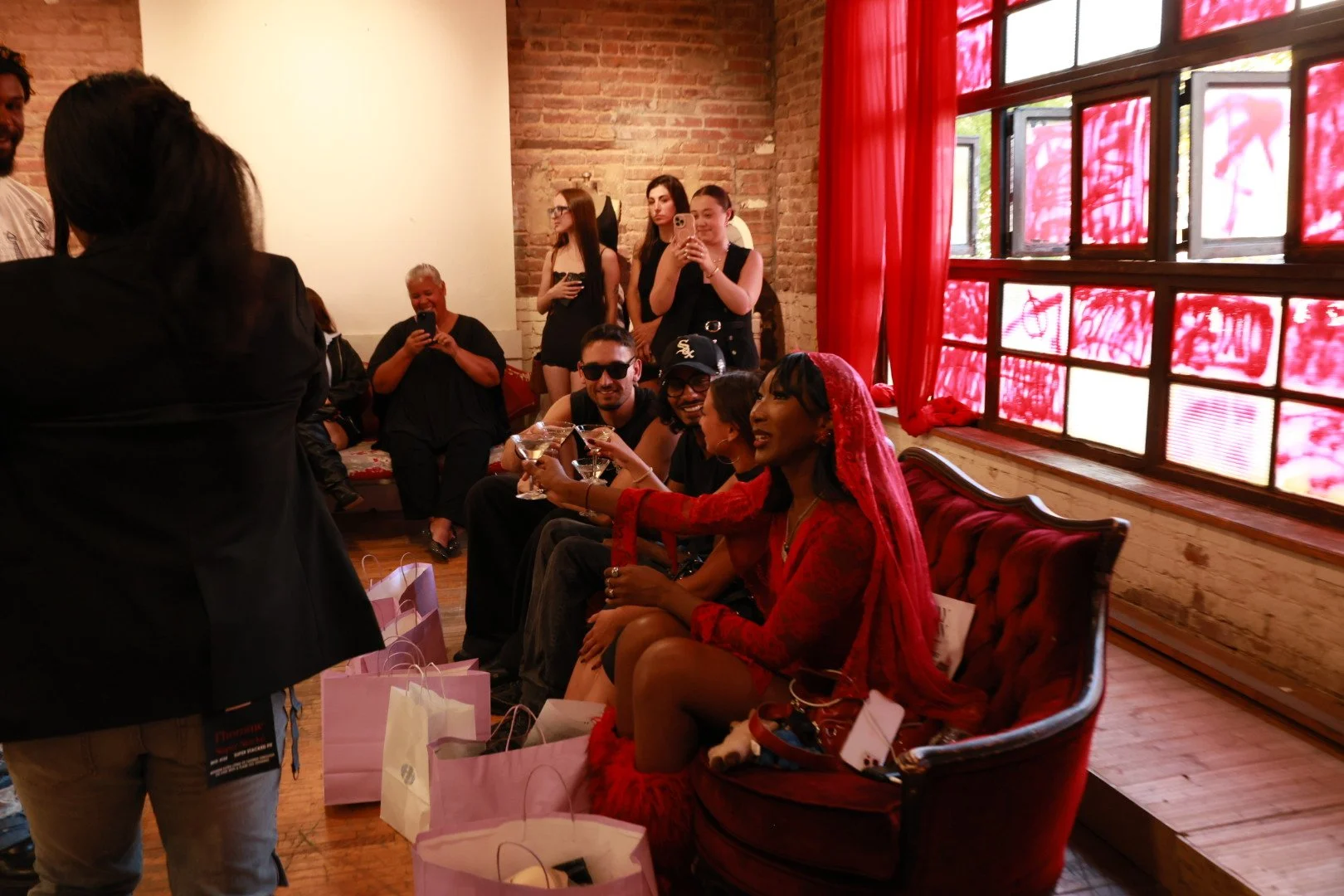
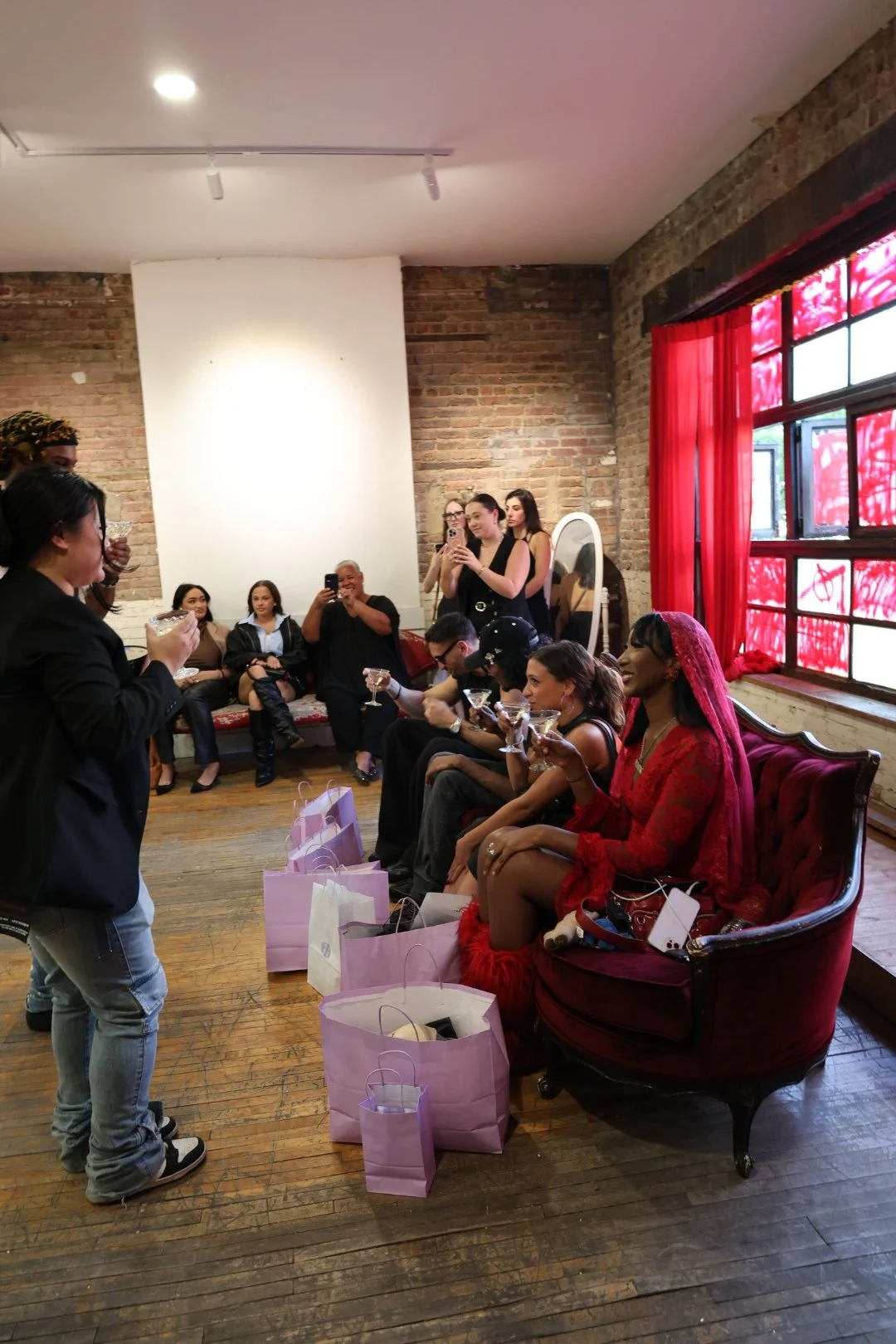
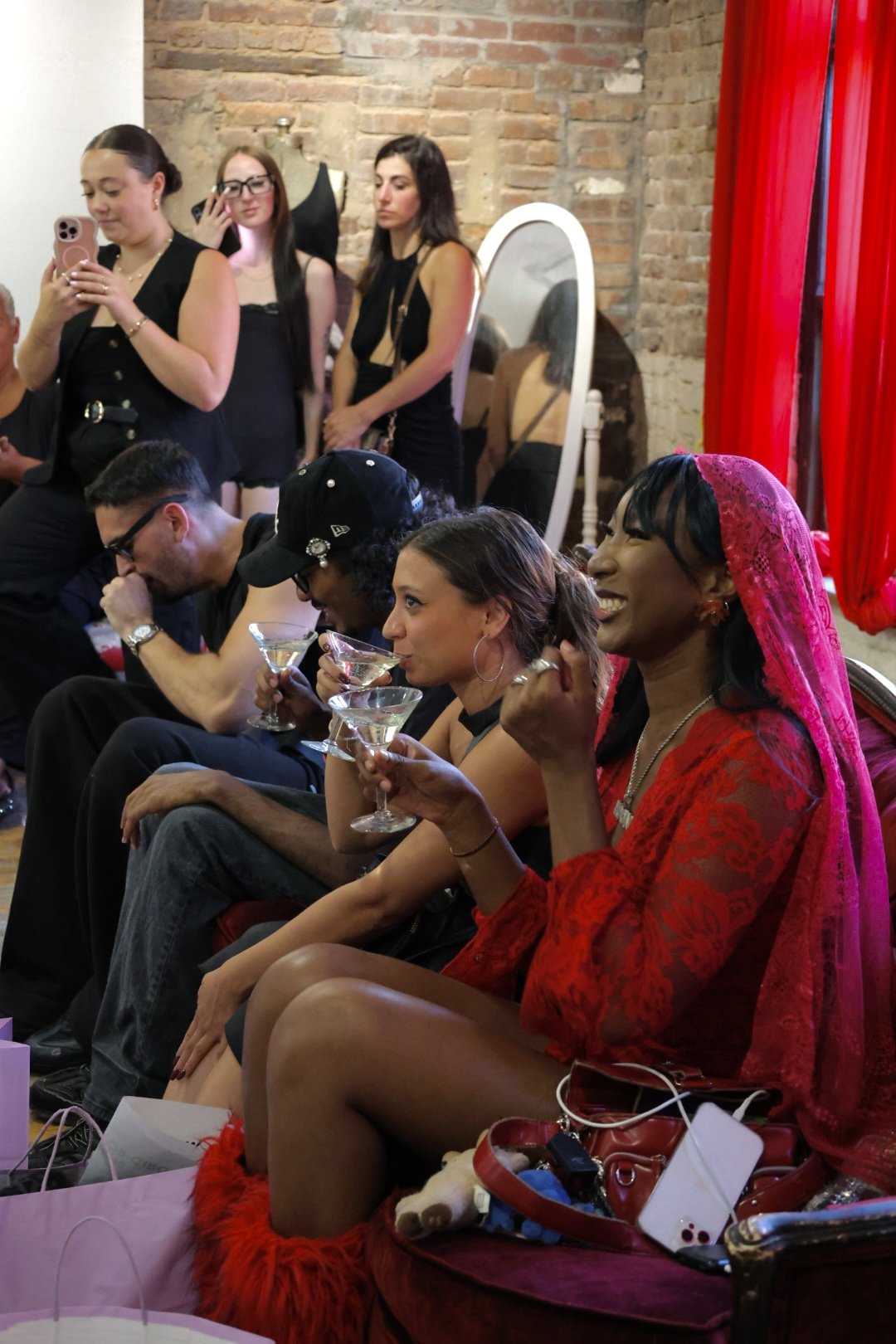
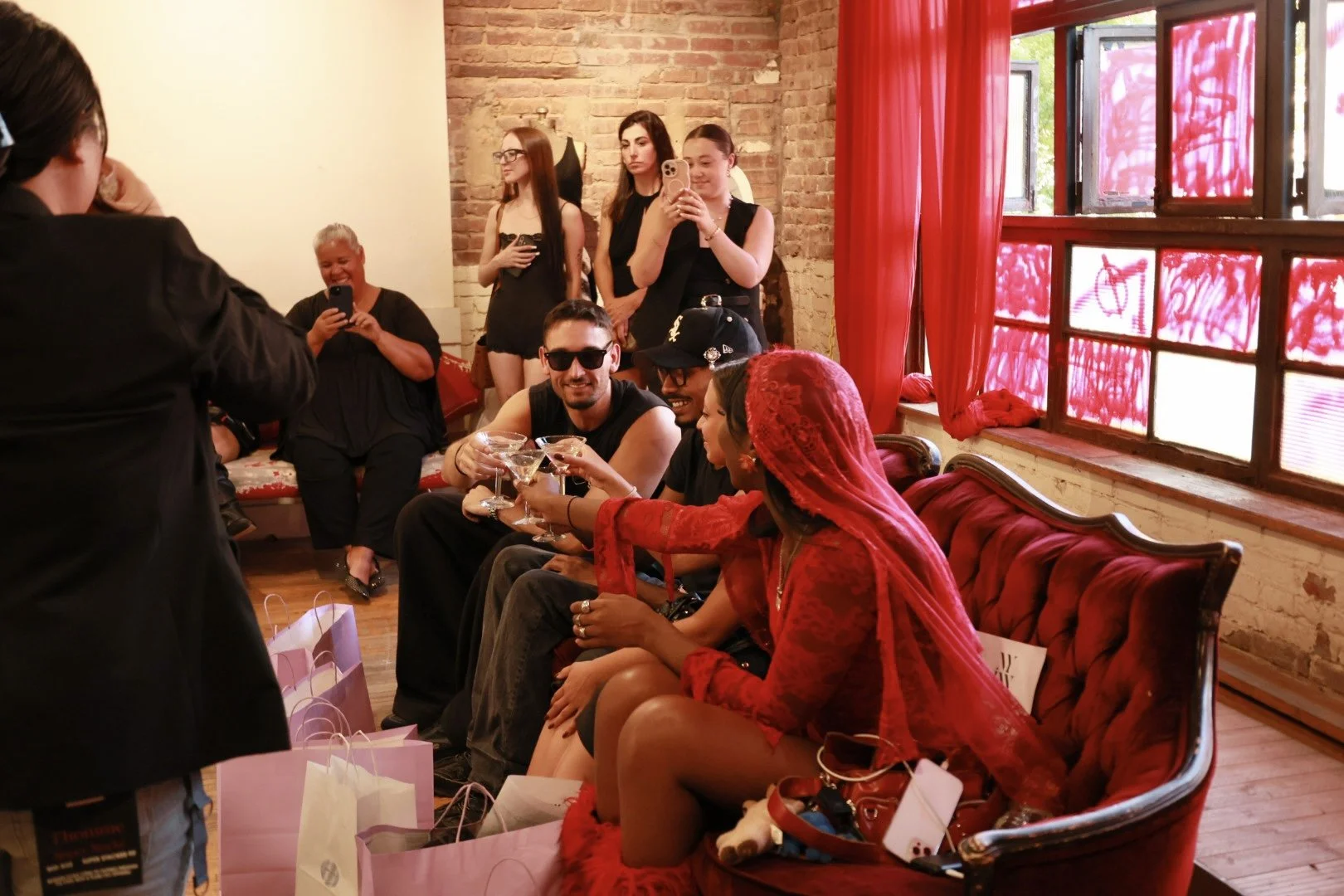
Moon attended the The Musa Showroom x Revive Fashion Week
A presentation hosted by FXCKALABEL, arriving with her team and being hosted in the VIP area by the Musa Creator Circle. .
New York has a particular way of rewarding people who know exactly who they are. During Fashion Week, the city becomes a revolving door of designers, artists, stylists, rappers, photographers, and cultural players, all moving through the same rooms and creating new combinations of energy. For Moon, the French-Korean rapper, that environment felt less like a fashion stop and more like another stage.
Moon attended the @themusashowroom x @revivefashionweek presentation hosted by FXCKALABEL, arriving with her team and being hosted in the VIP area by the Musa Creator Circle. She came into the room as an artist, surrounded by the people who make up her world, and ended the night becoming part of the presentation itself.
That is the kind of crossover we pay attention to.
Not the forced kind where somebody puts a rapper in a designer outfit and calls it culture, but the kind that happens naturally when music, image, and fashion have already been speaking the same language.
Moon was there as a rapper.
The runway just happened to be waiting for her.
SHE WALKED IN RED, BUT THE MUSIC WAS THE MESSAGE
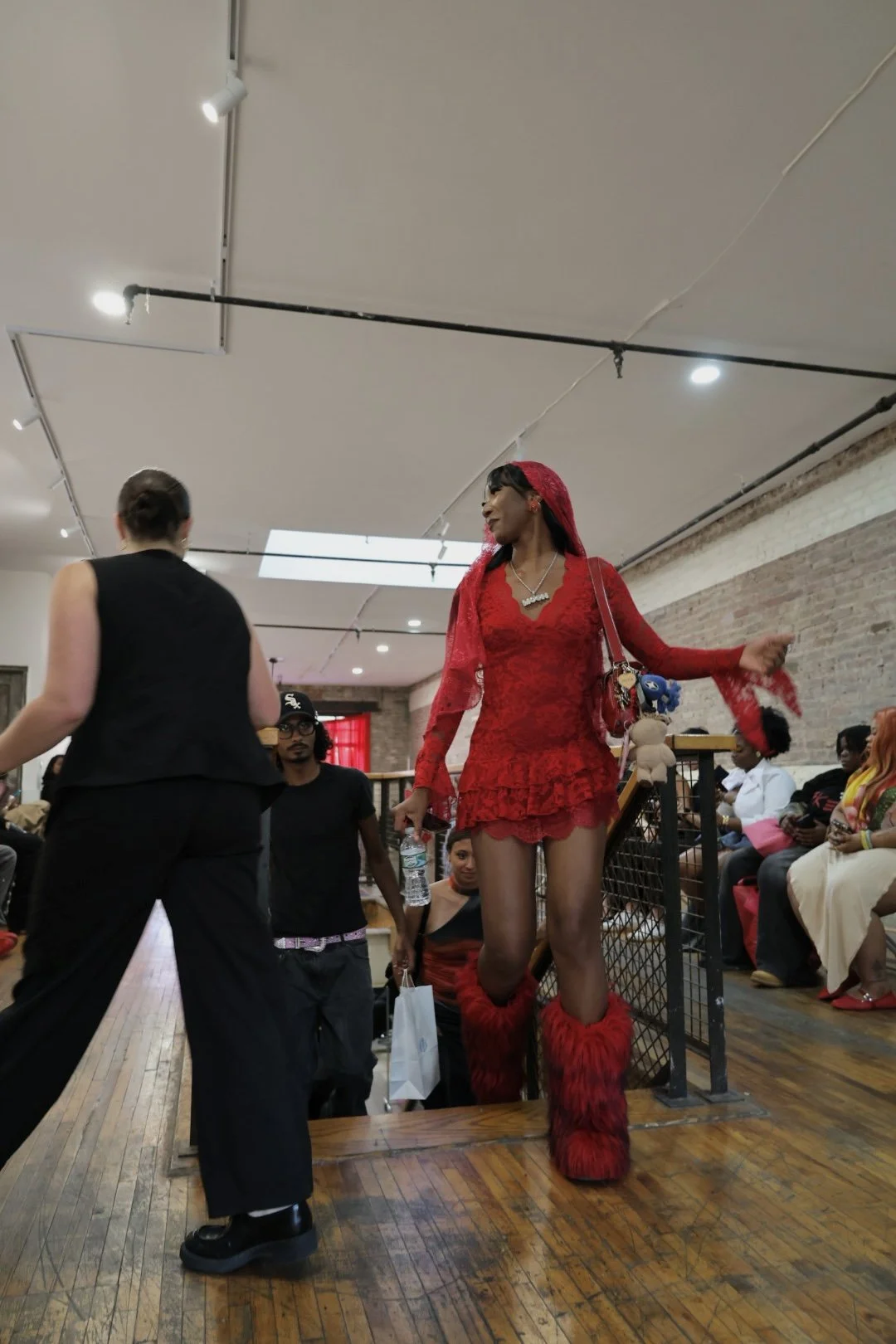
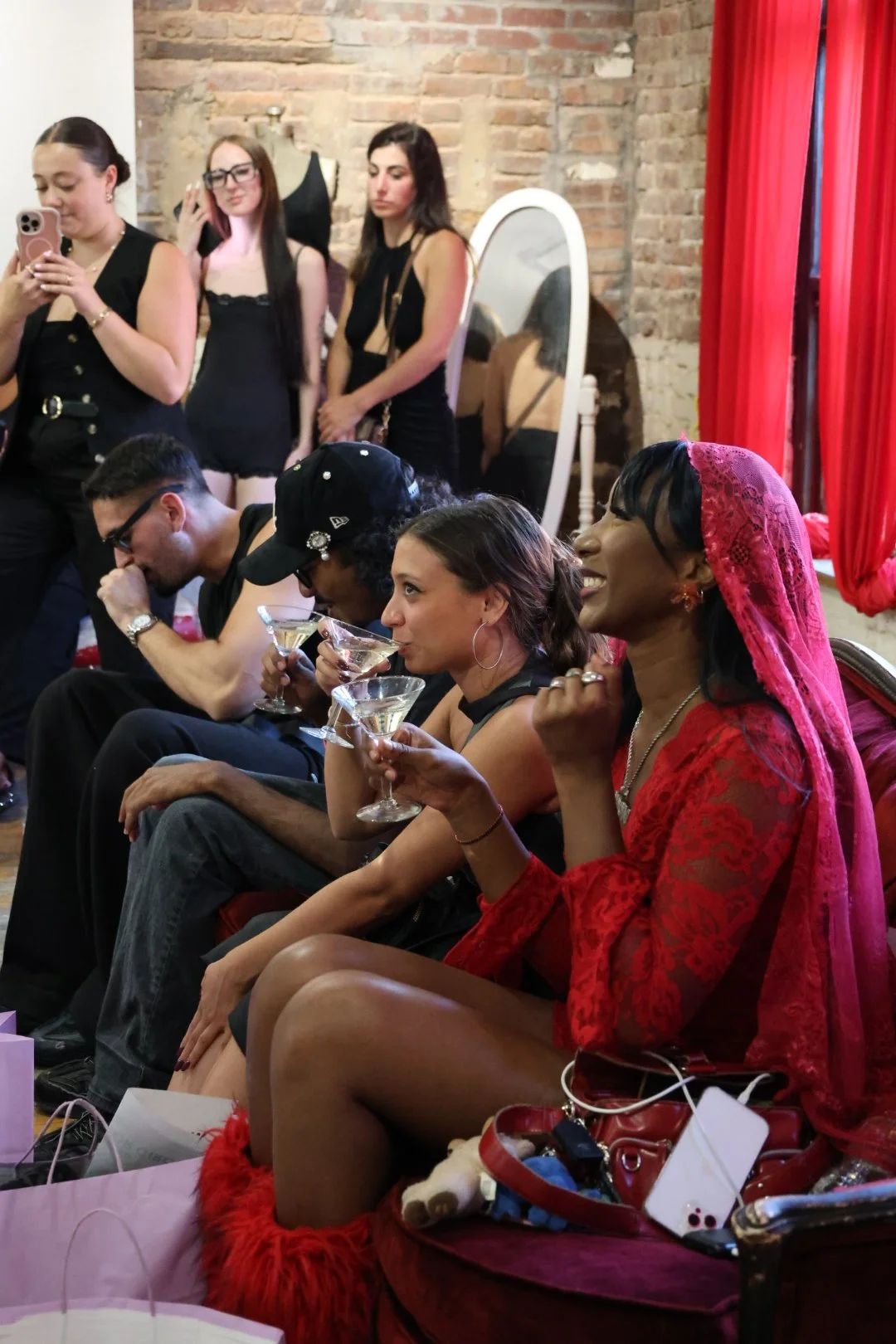
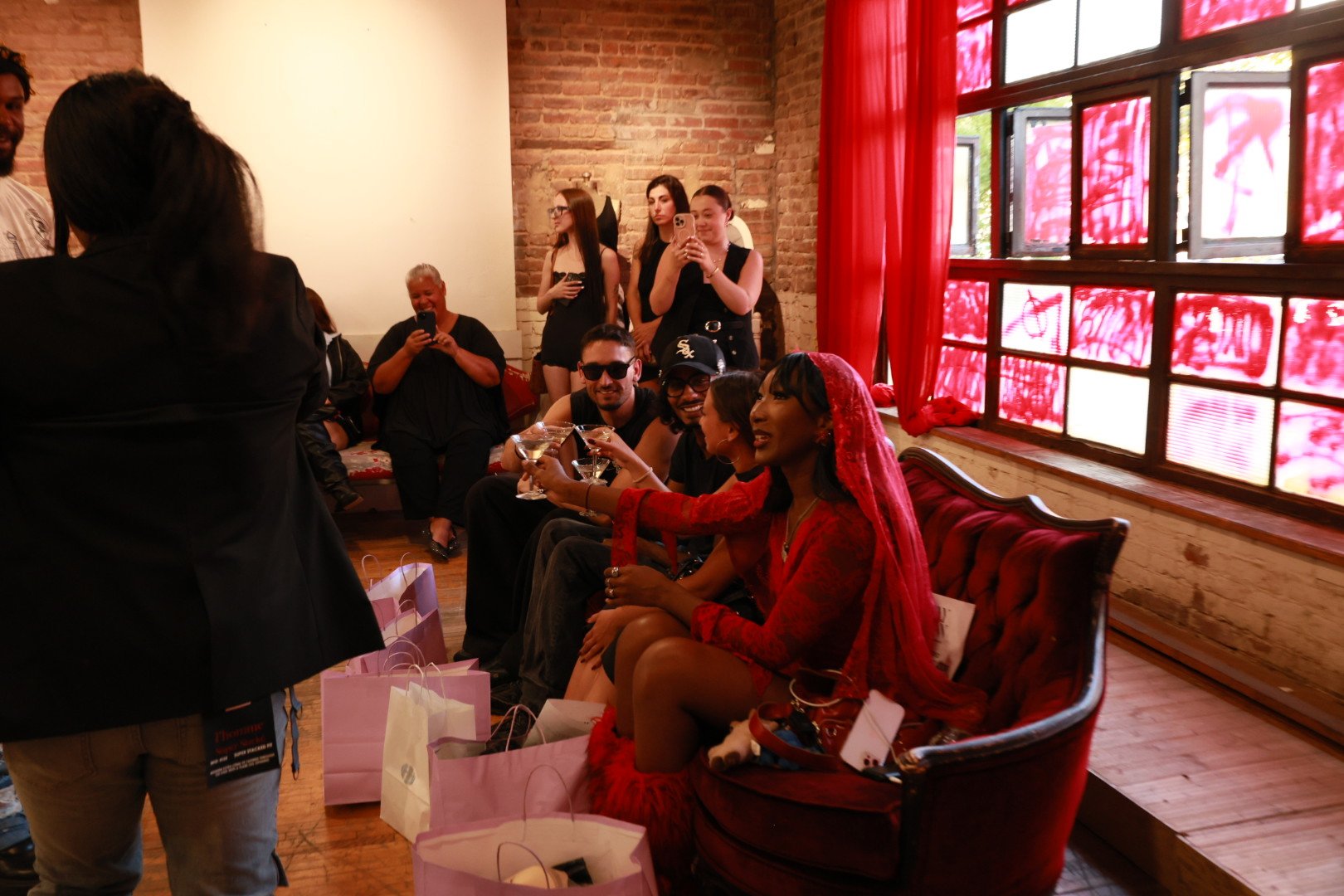
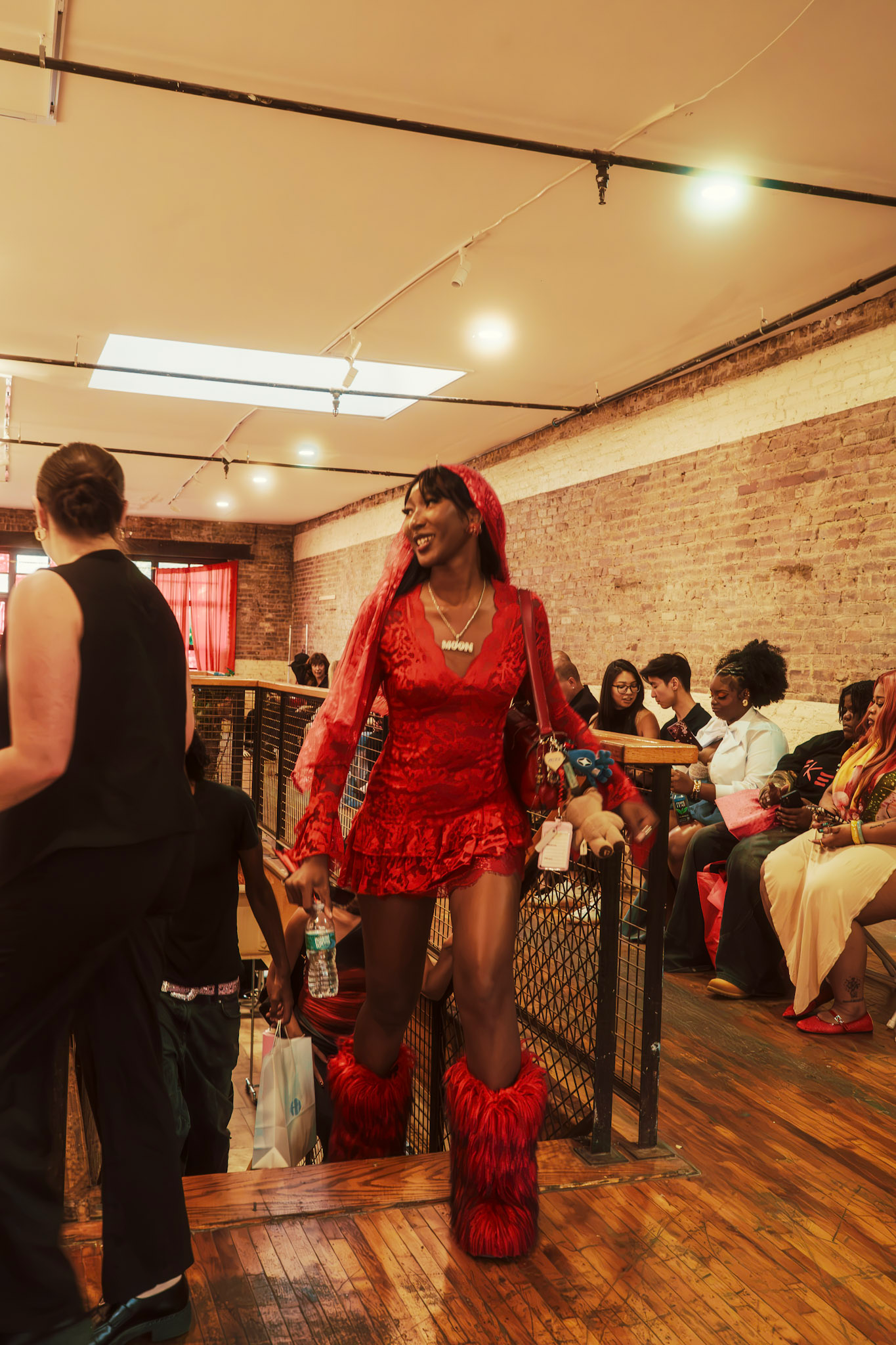
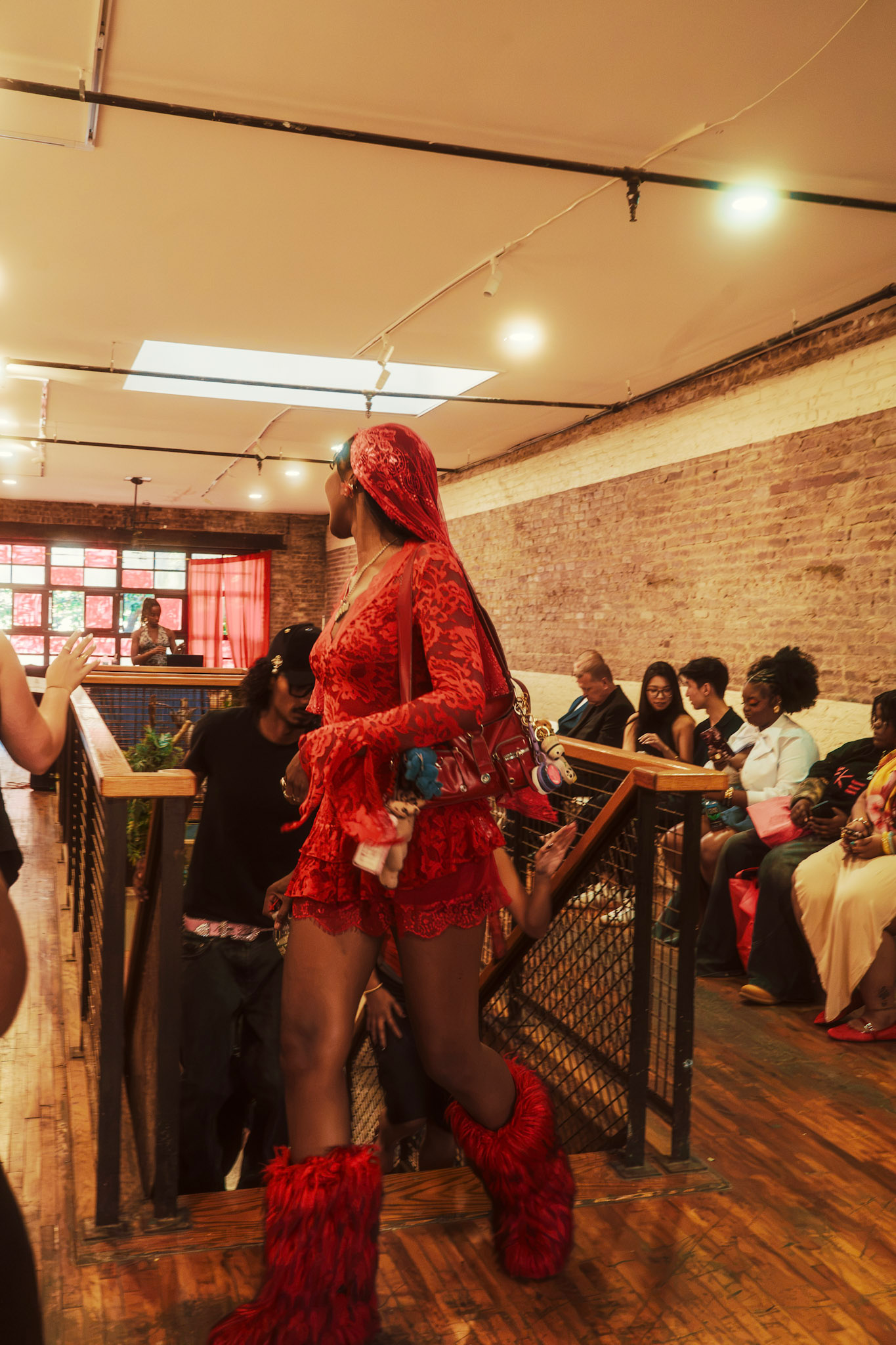
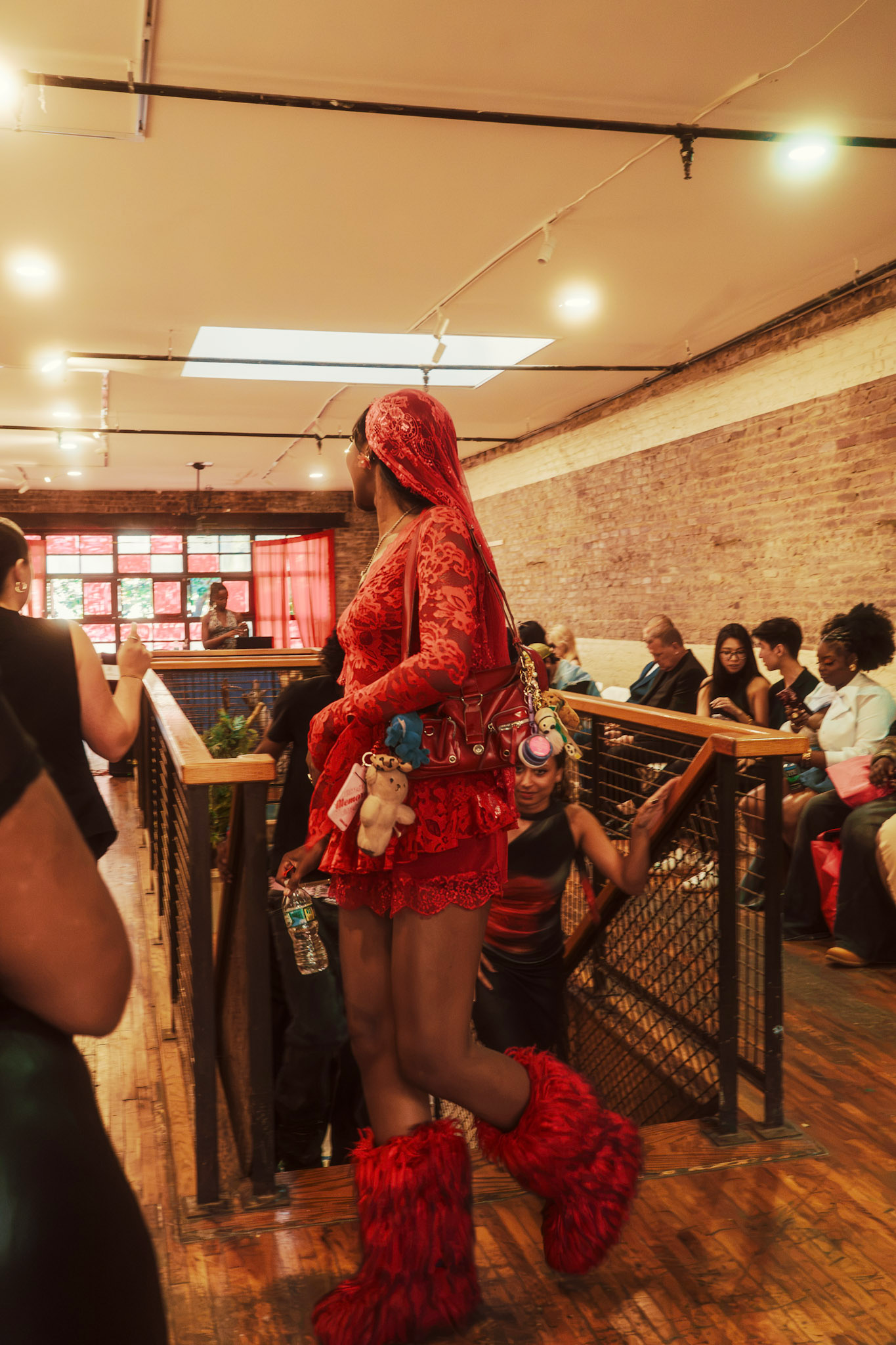
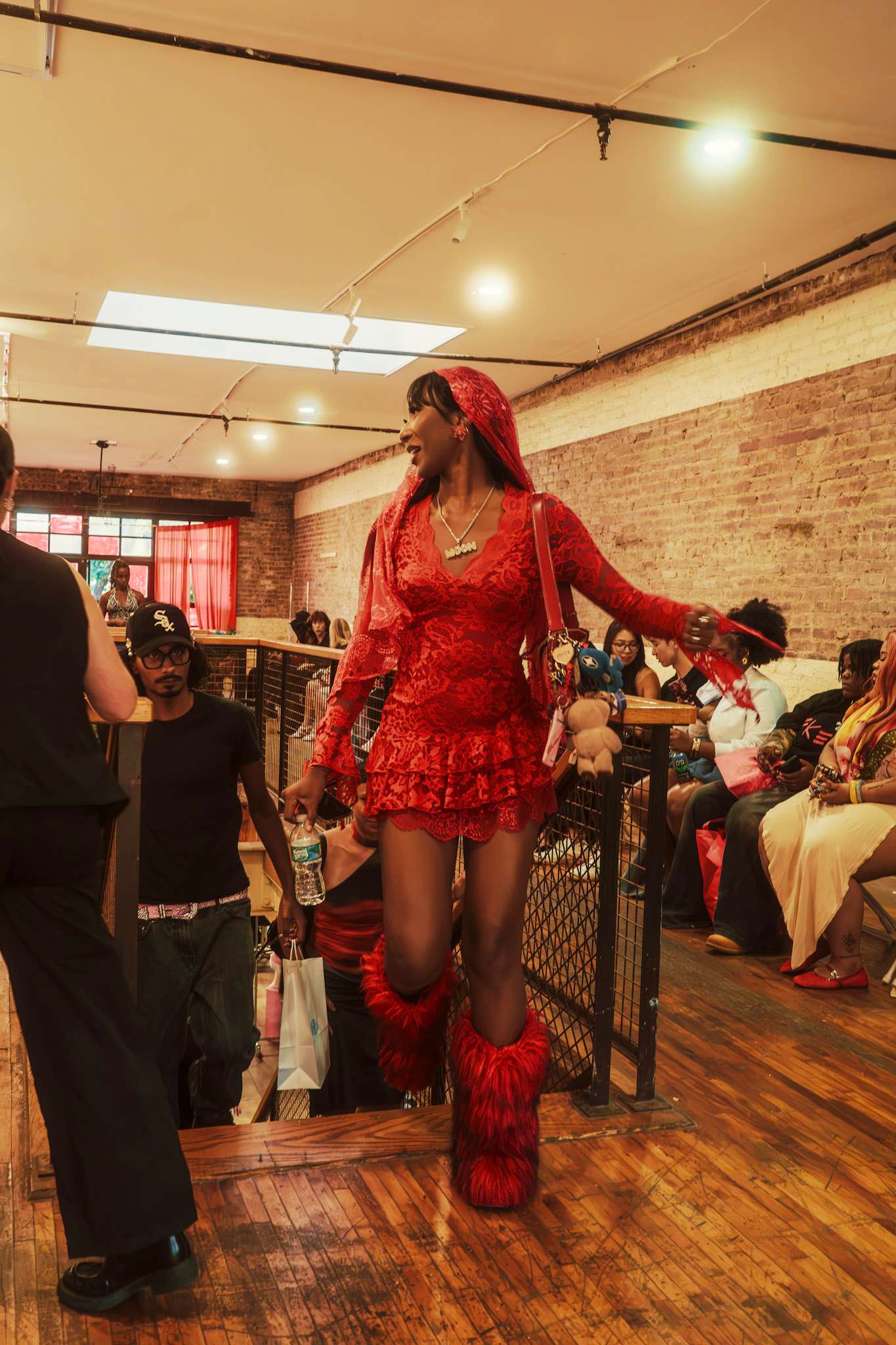
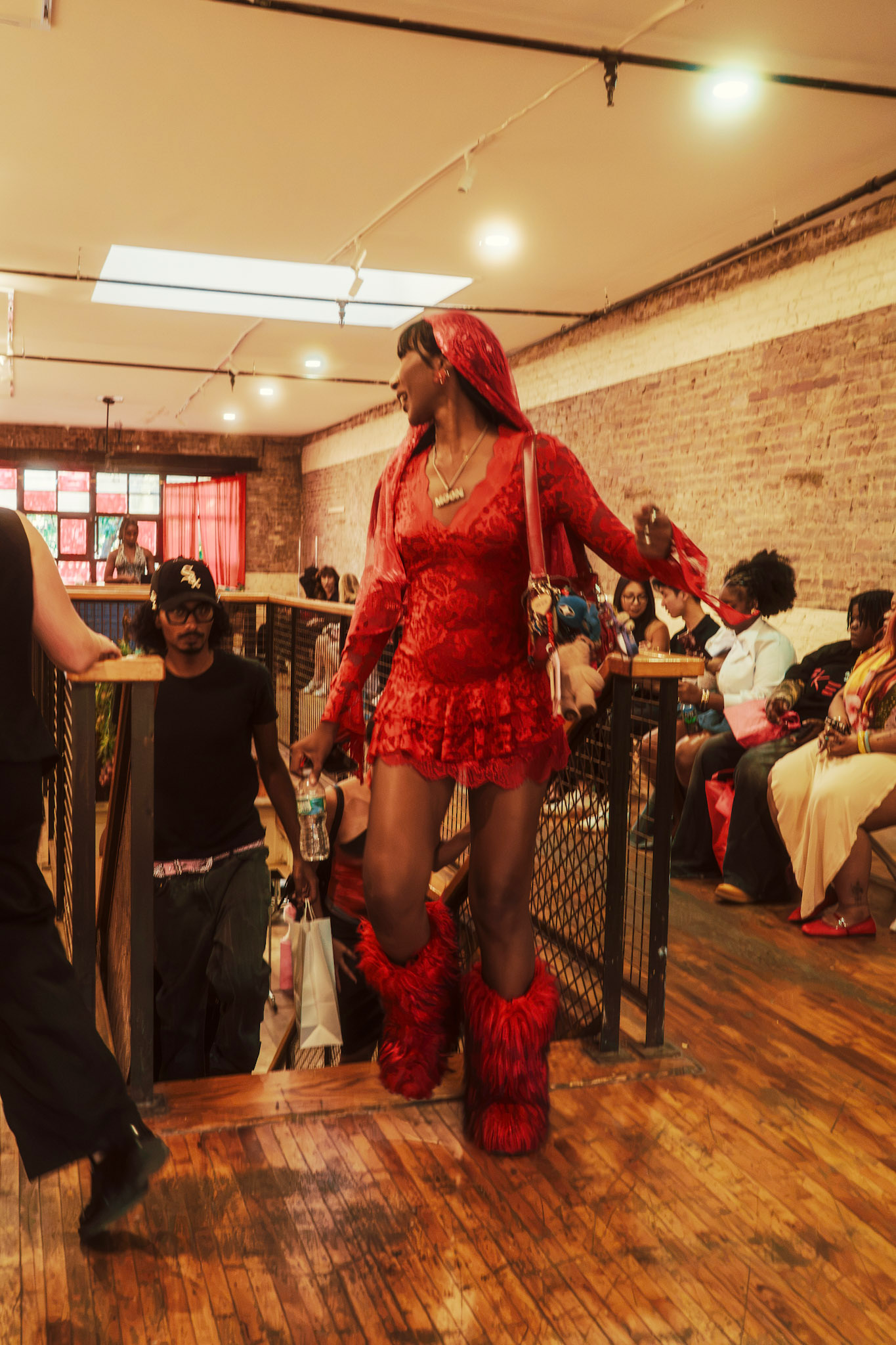
Before she ever touched the runway, Moon had already made an entrance.
Moon's NYFW look deserved attention on its own. She arrived dressed from head to toe in red, wearing a lace mini dress, fur boots, an iced-out Moon necklace, and a lace head covering with a distinctly nun-inspired silhouette.
The look had an almost ceremonial quality to it, but there was nothing conservative about the execution. The lace head covering framed her face while the mini dress and fur boots kept the entire silhouette firmly in nightlife territory. The red-on-red styling gave the look an unapologetic presence, while the jewelry made it clear that subtlety was never really the objective.
There was also a distinctly East Asian influence running through the details. Her bag was decorated with Korean-style character stuffies, bringing a playful, familiar reference into a look that otherwise leaned heavily into lace, fur, jewelry, and drama.
That contrast made the styling feel personal rather than manufactured. It was glamorous, but it still had humor. It was sexy without looking like it had been assembled from a celebrity-fashion checklist. Most importantly, it looked like something an artist would actually wear.
And that matters.
Because Moon's strongest accessory was never the necklace or the boots. It was the fact that she looked completely comfortable being Moon.
THE MUSA CREATOR CIRCLE
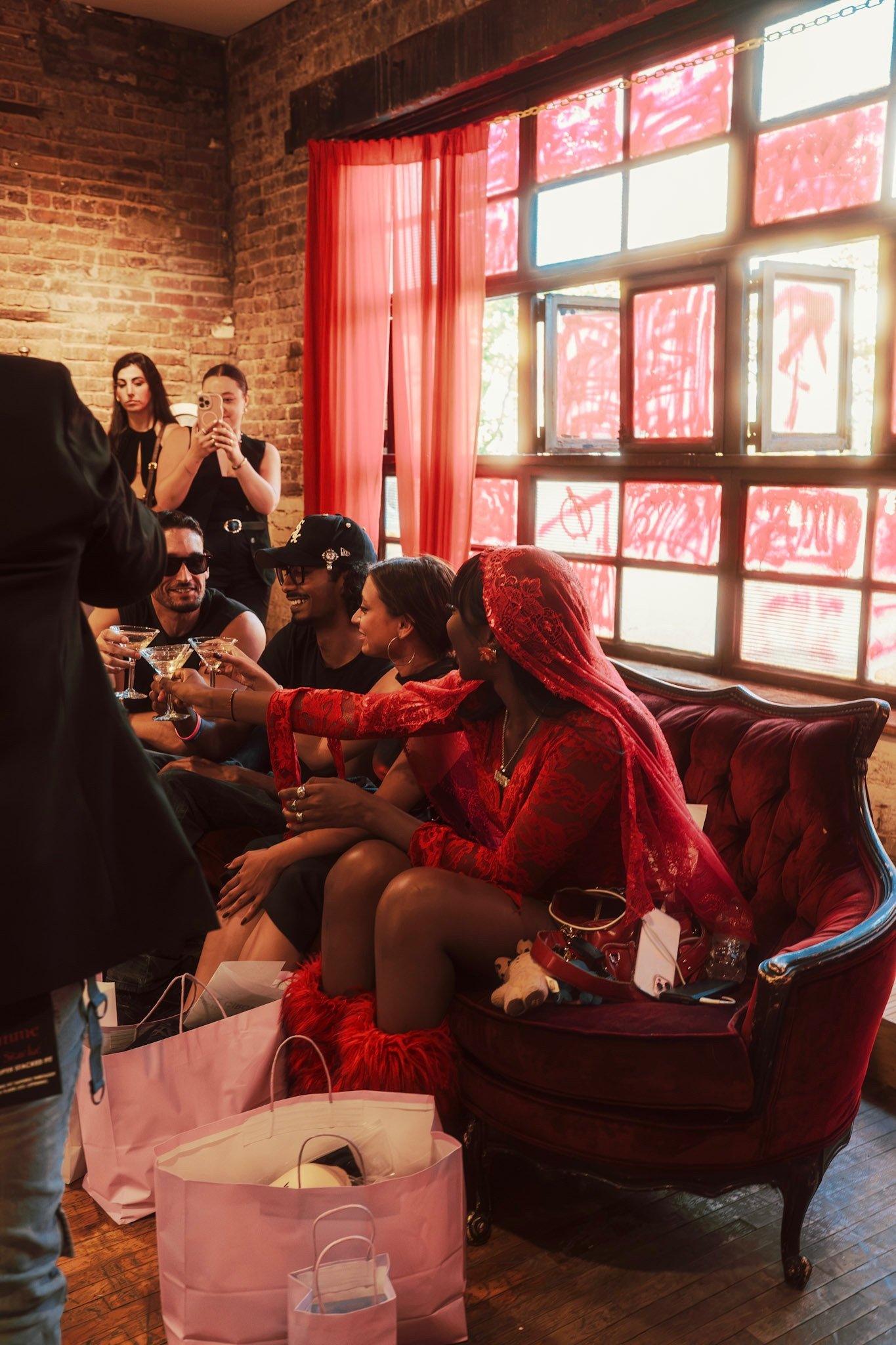
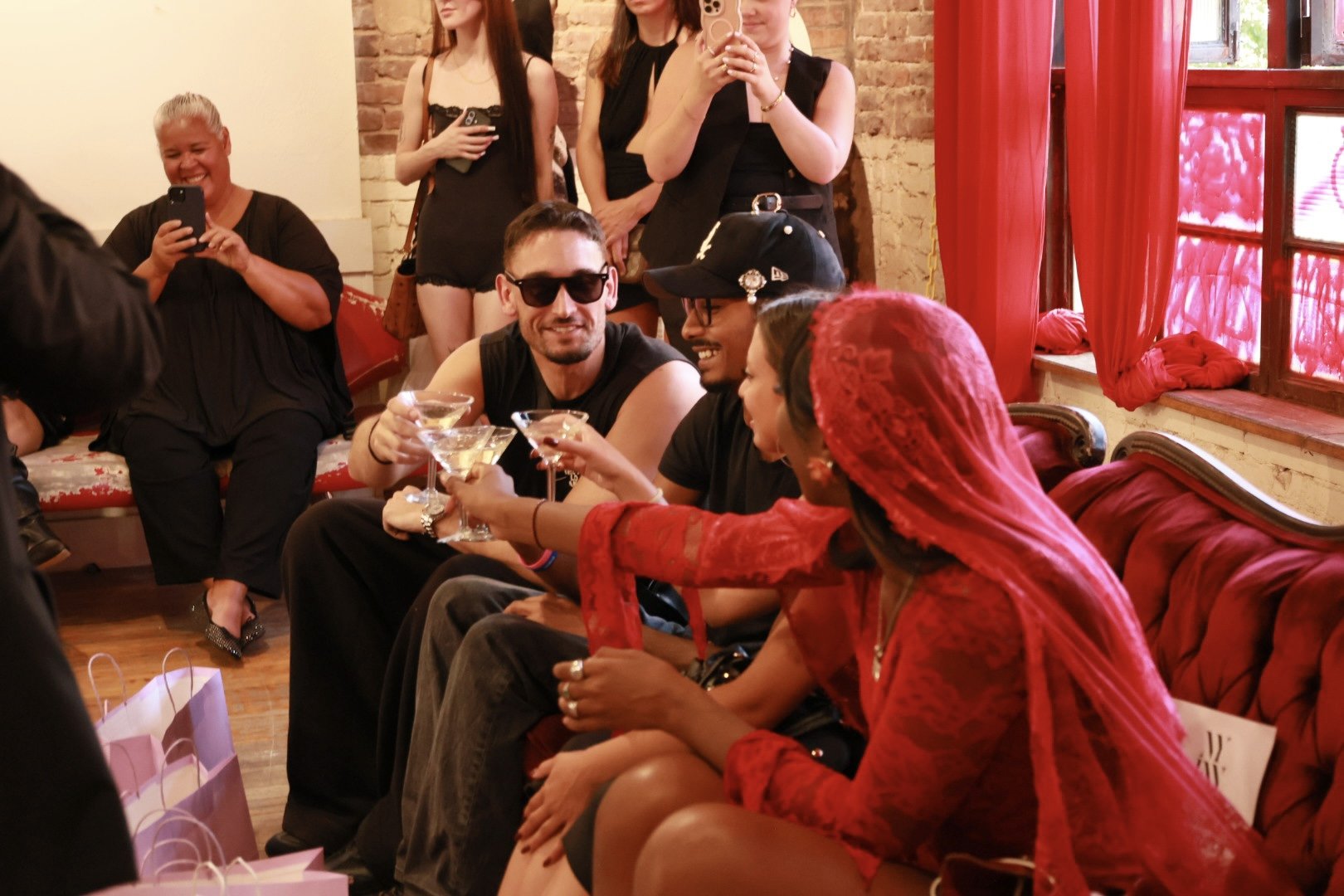
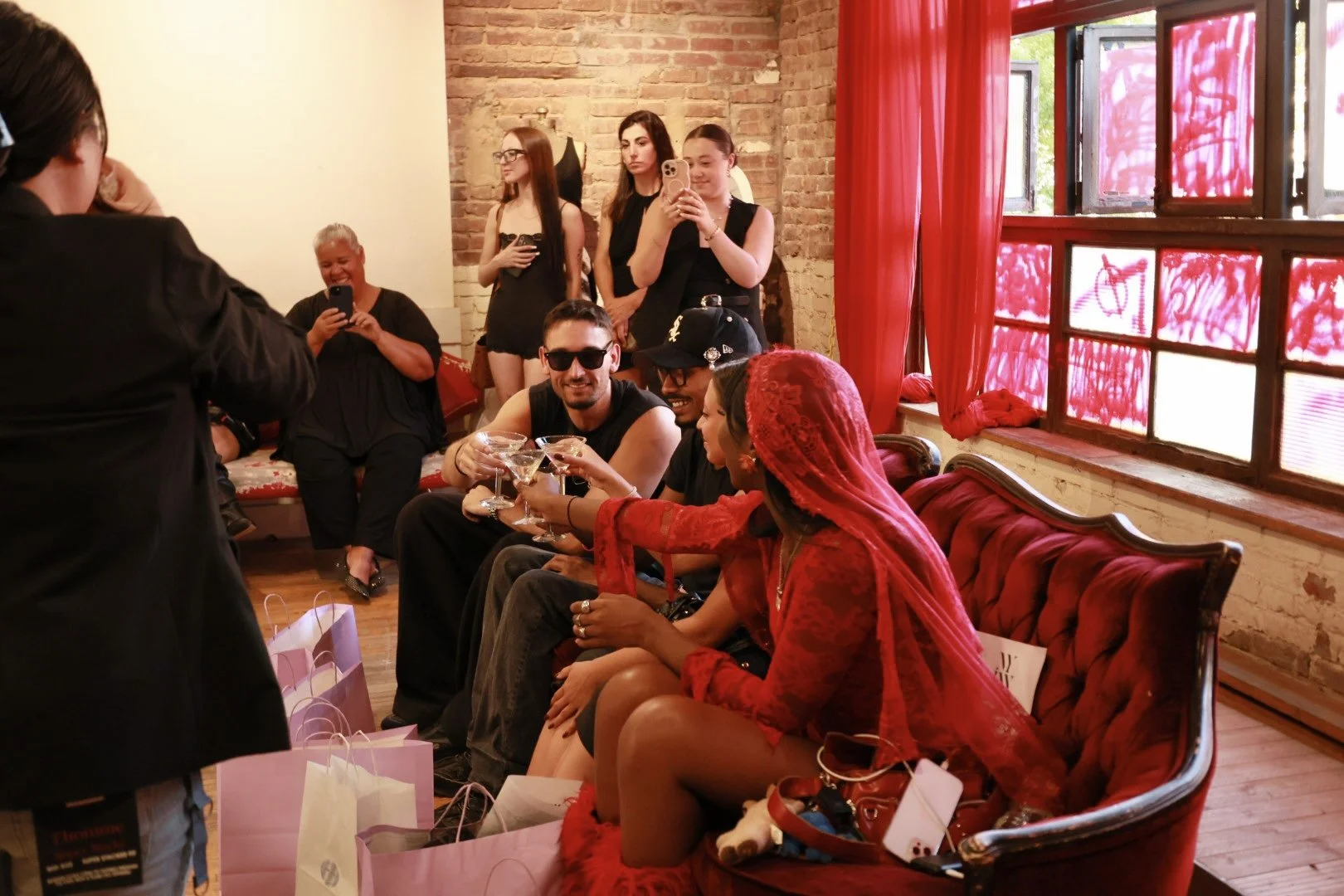
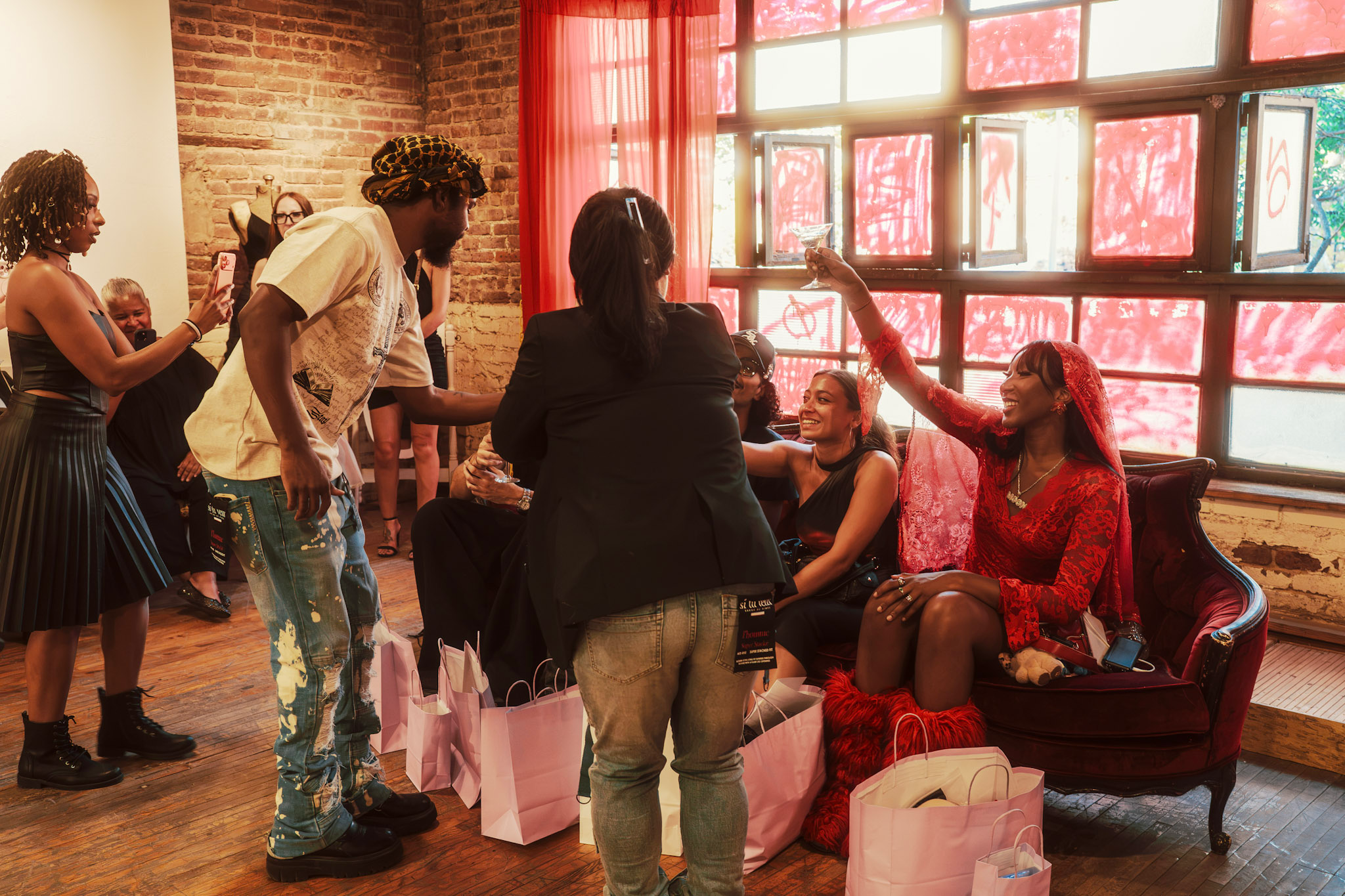
The night started in the VIP, but Moon was never going to stay there.
Hosted in the VIP area by the Musa Creator Circle, Moon and her team were surrounded by the kind of creative environment where conversations move quickly and collaborations can happen without warning. The Musa showroom space brought together fashion, styling, music, and creators under the same roof, creating exactly the kind of cross-cultural environment where an artist can move beyond being an observer.
For FXCKALABEL, that intersection is familiar territory.
Hip-hop has always understood that the music does not stop when the song ends. The clothes, the jewelry, the photographs, the videos, the parties, the collaborations, and the attitude all become part of the artist's larger language. The most memorable rappers have never simply been voices over a beat. They have been visual identities, cultural personalities, and characters that audiences recognize before the first bar is delivered.
Moon understands that instinct.
She does not need to separate the rapper from the fashion moment because, for artists like her, there was never really a wall between the two.
THEN SHE TOOK THE RUNWAY
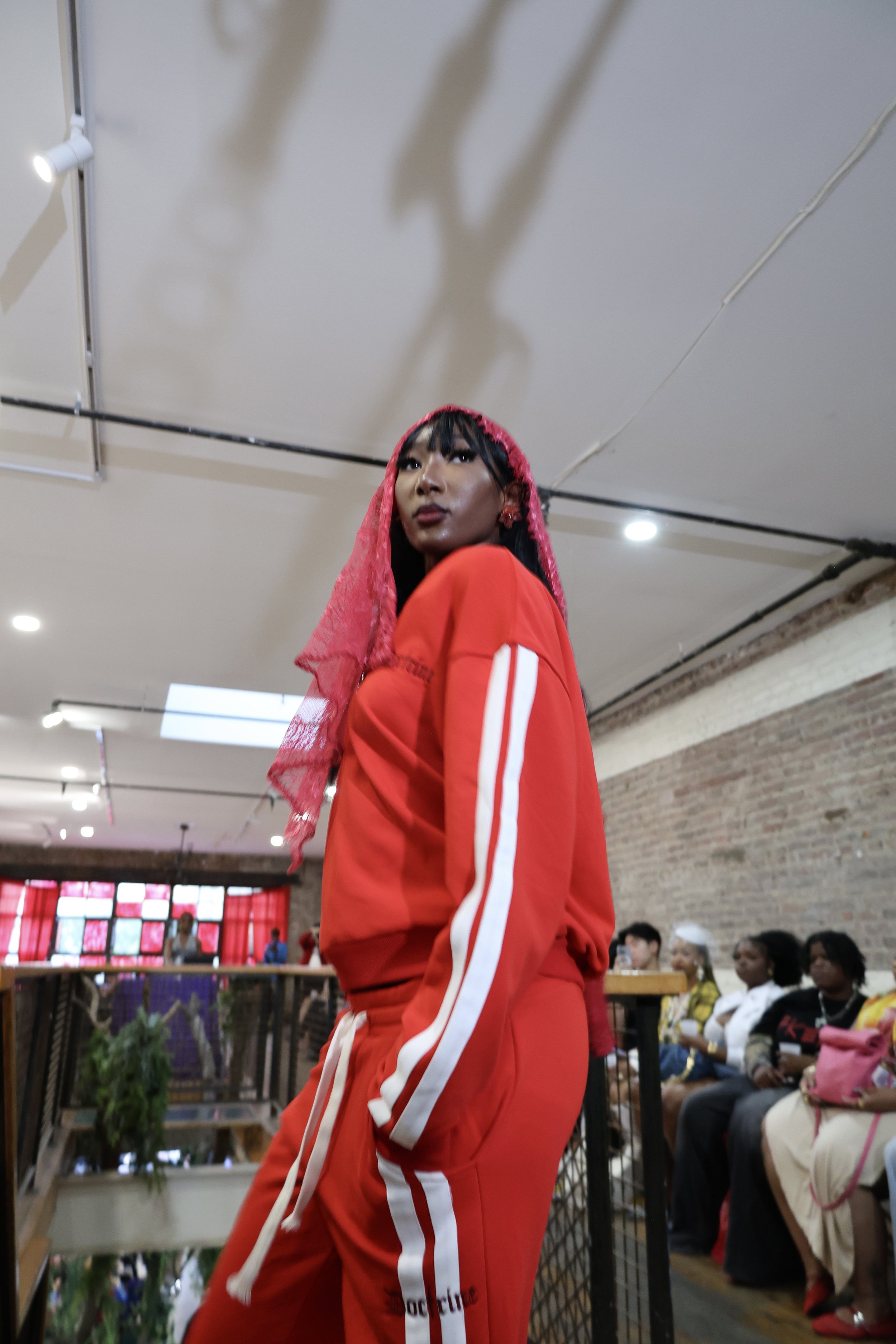
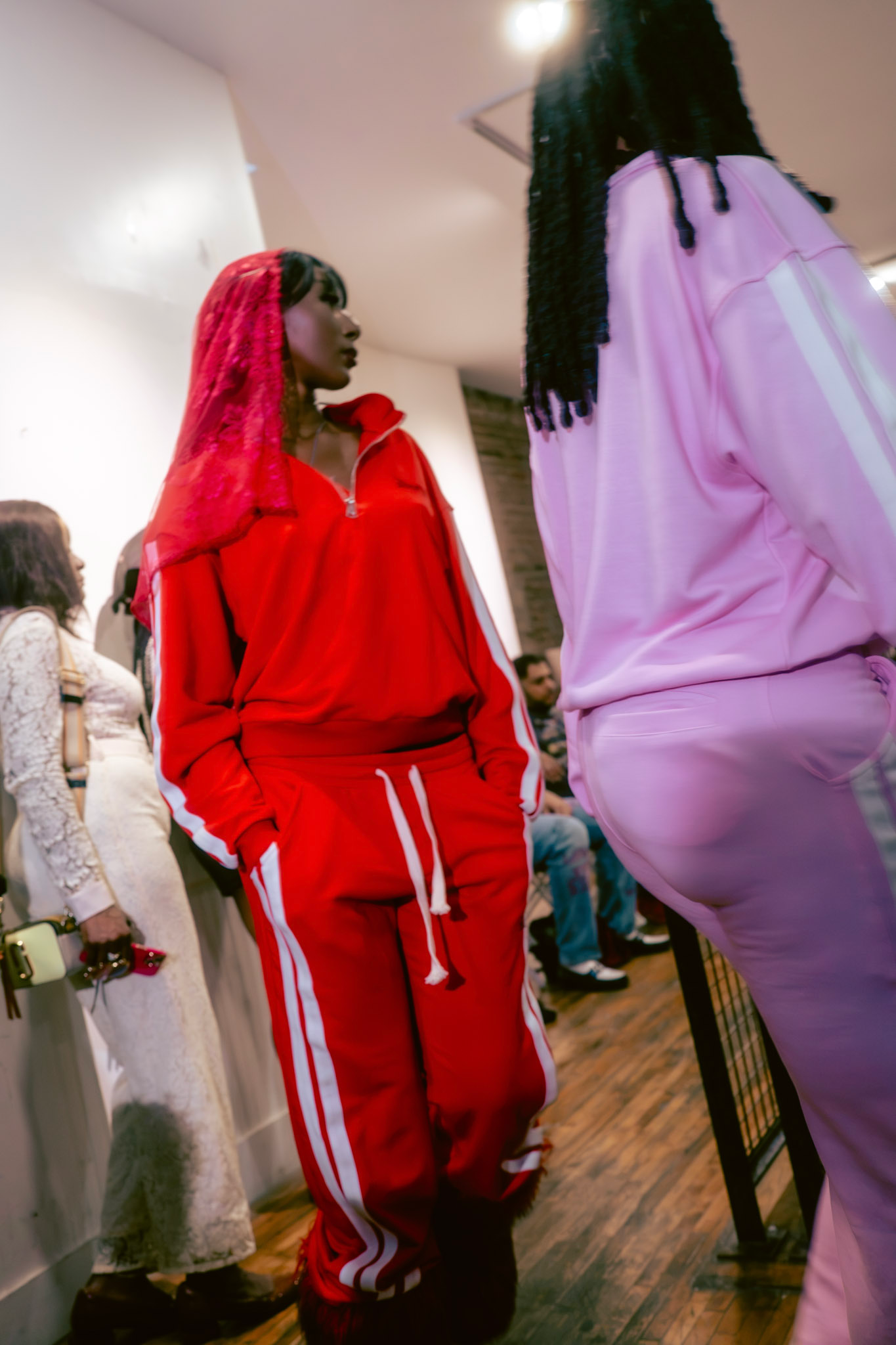
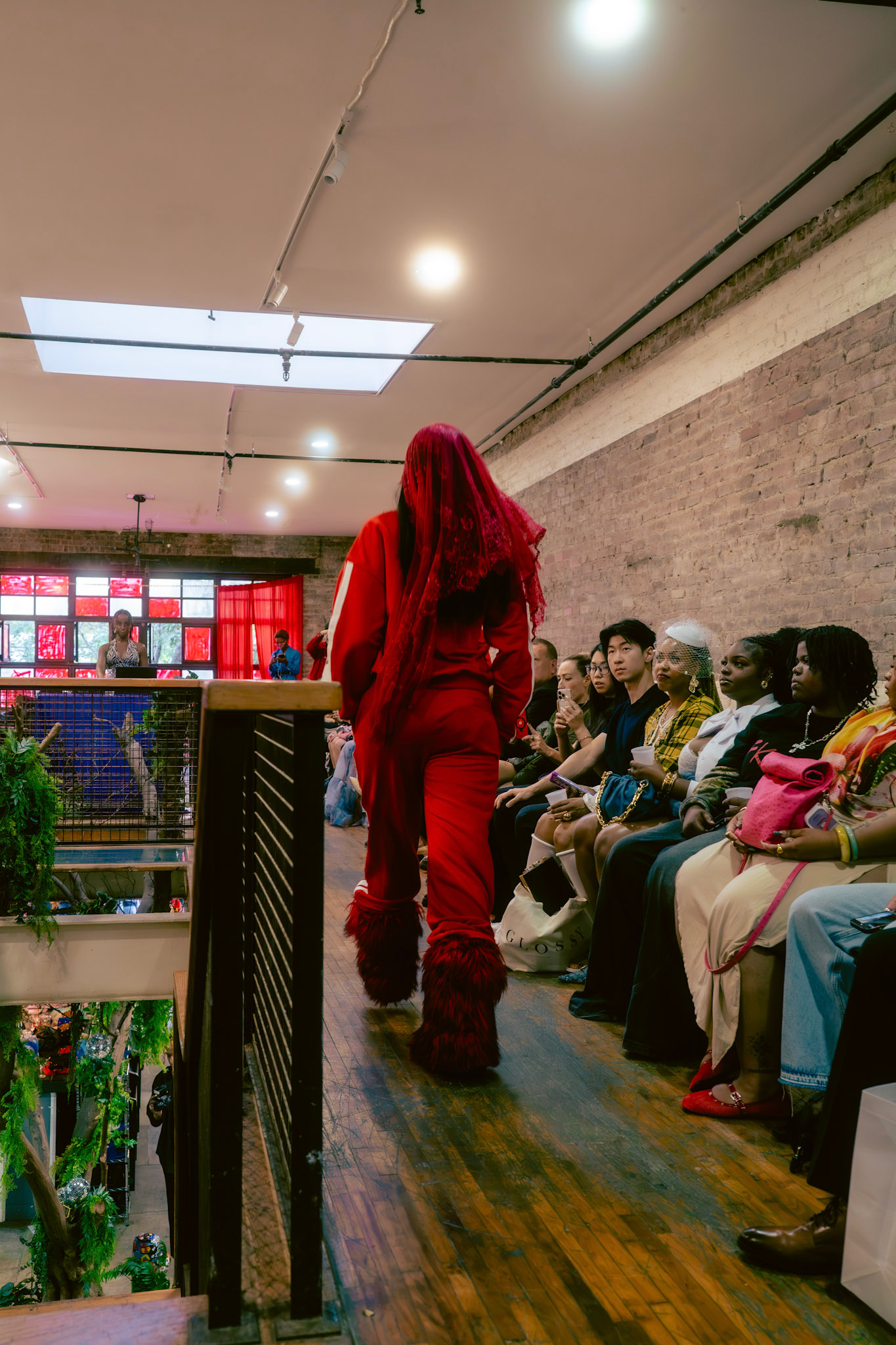
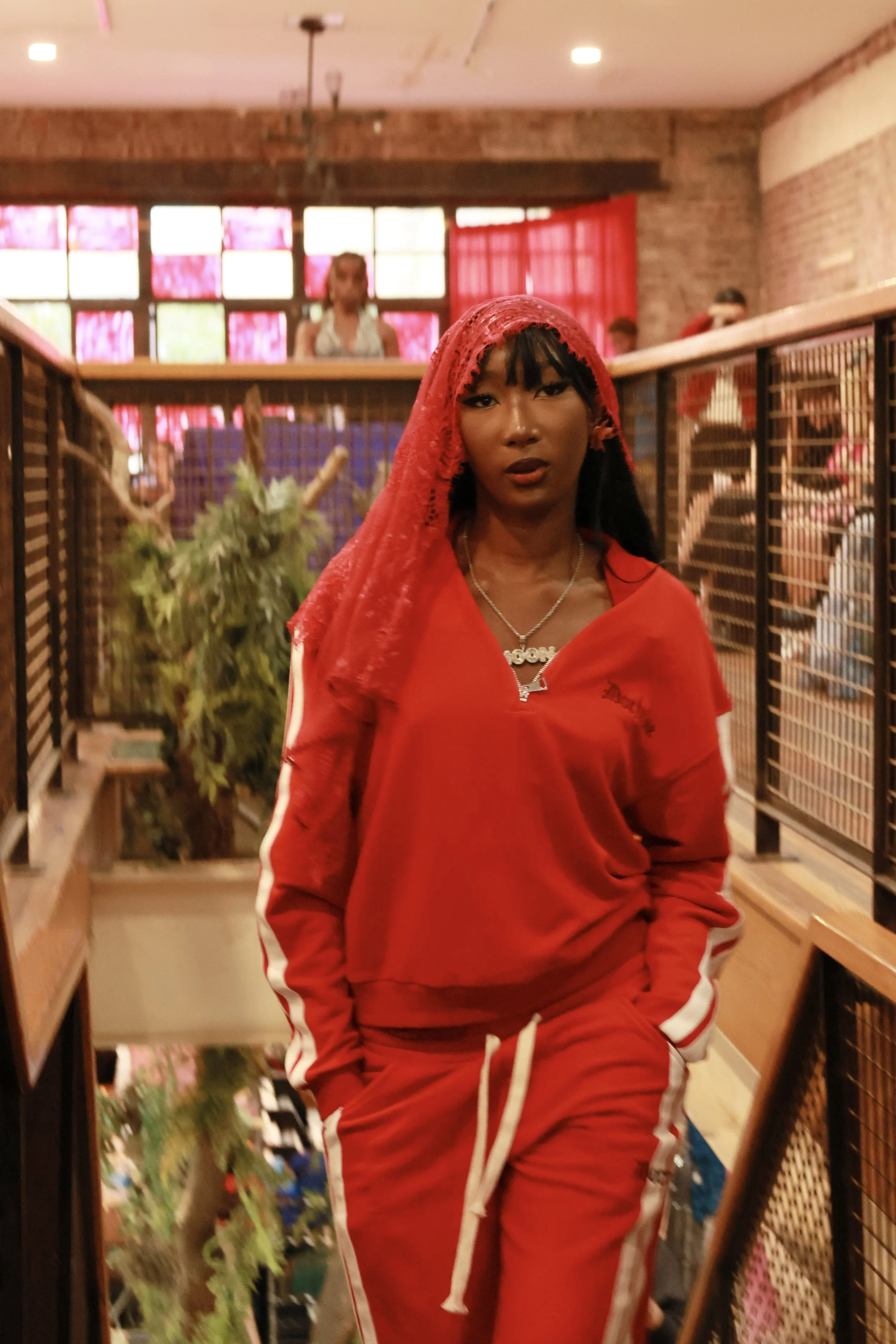
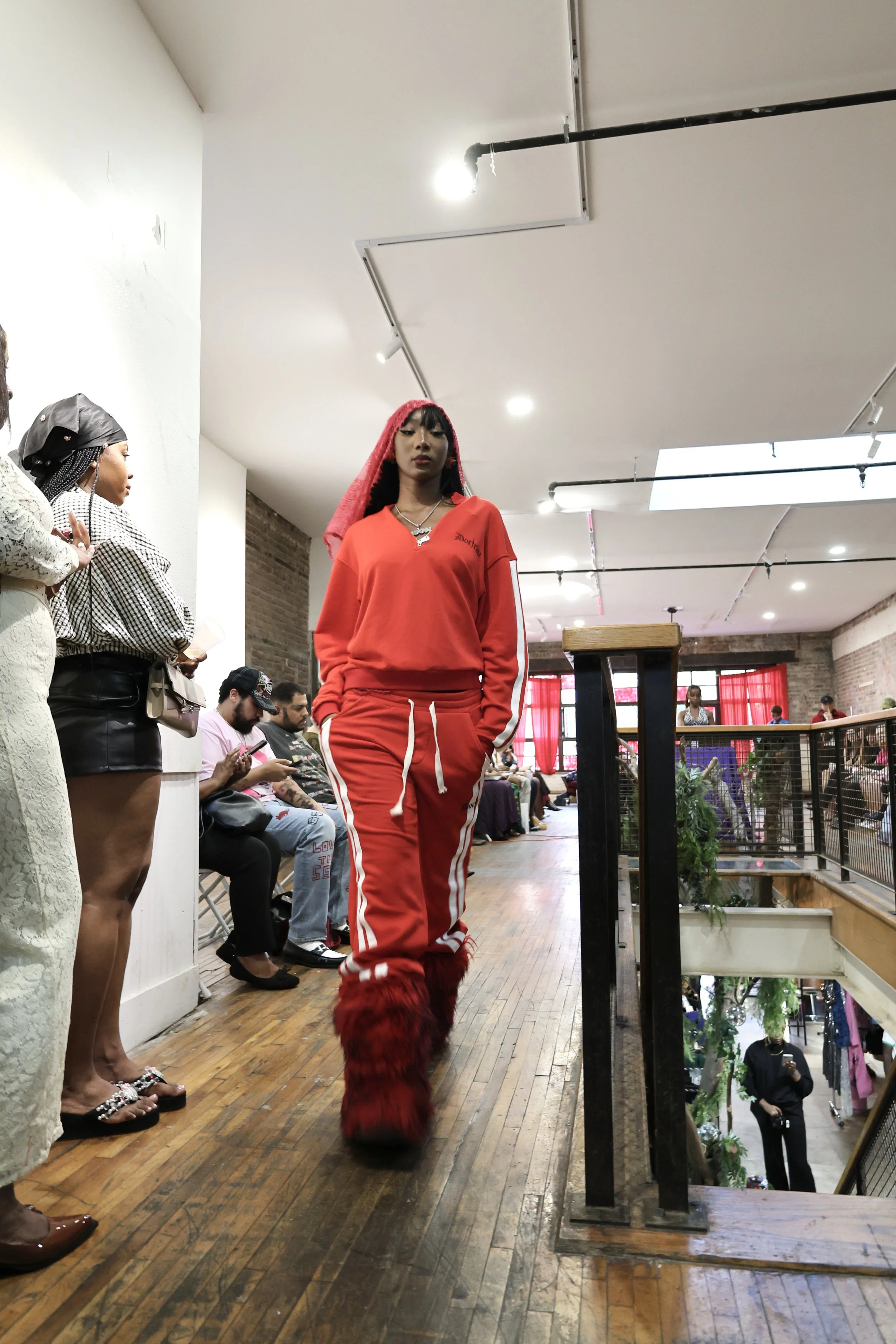
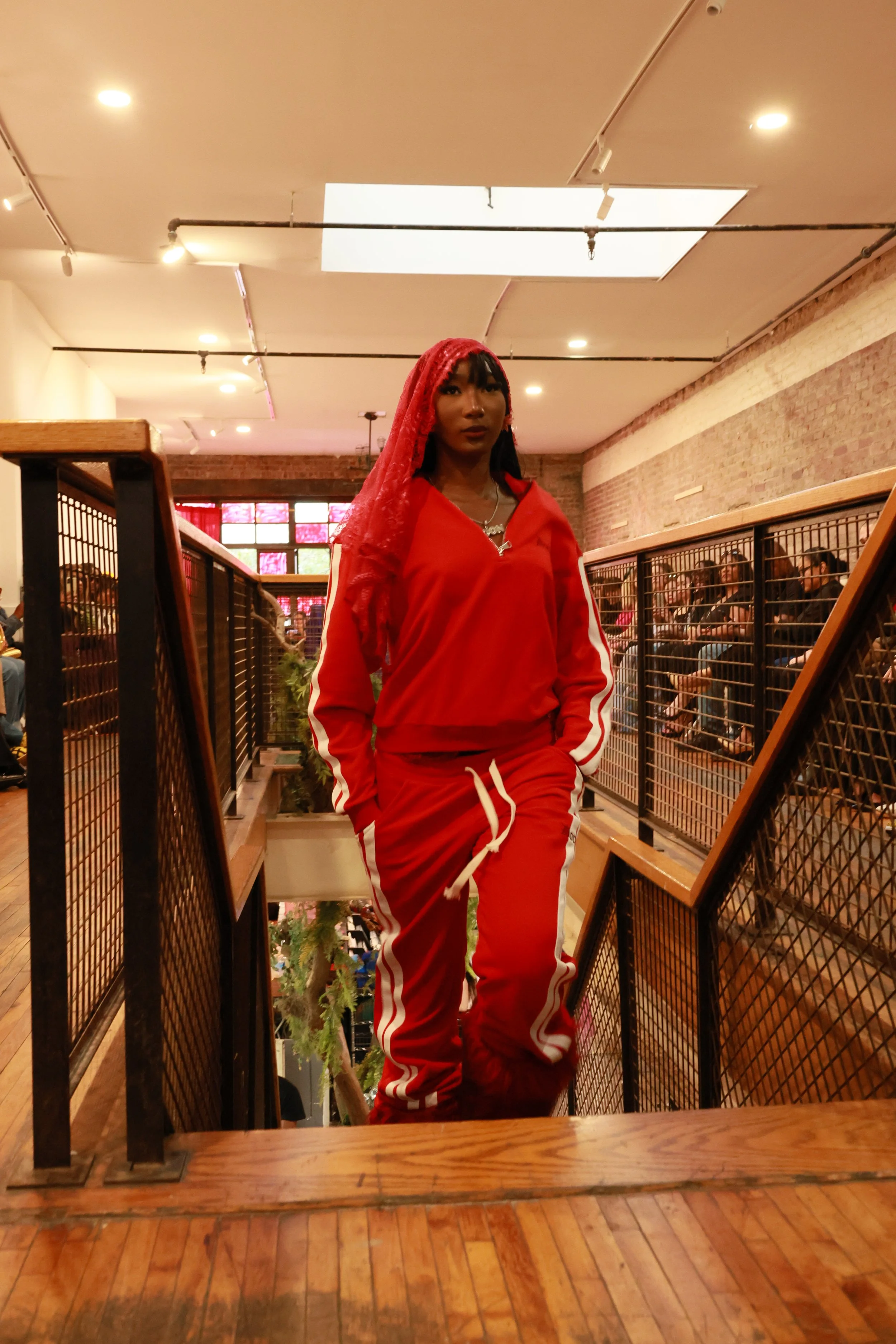
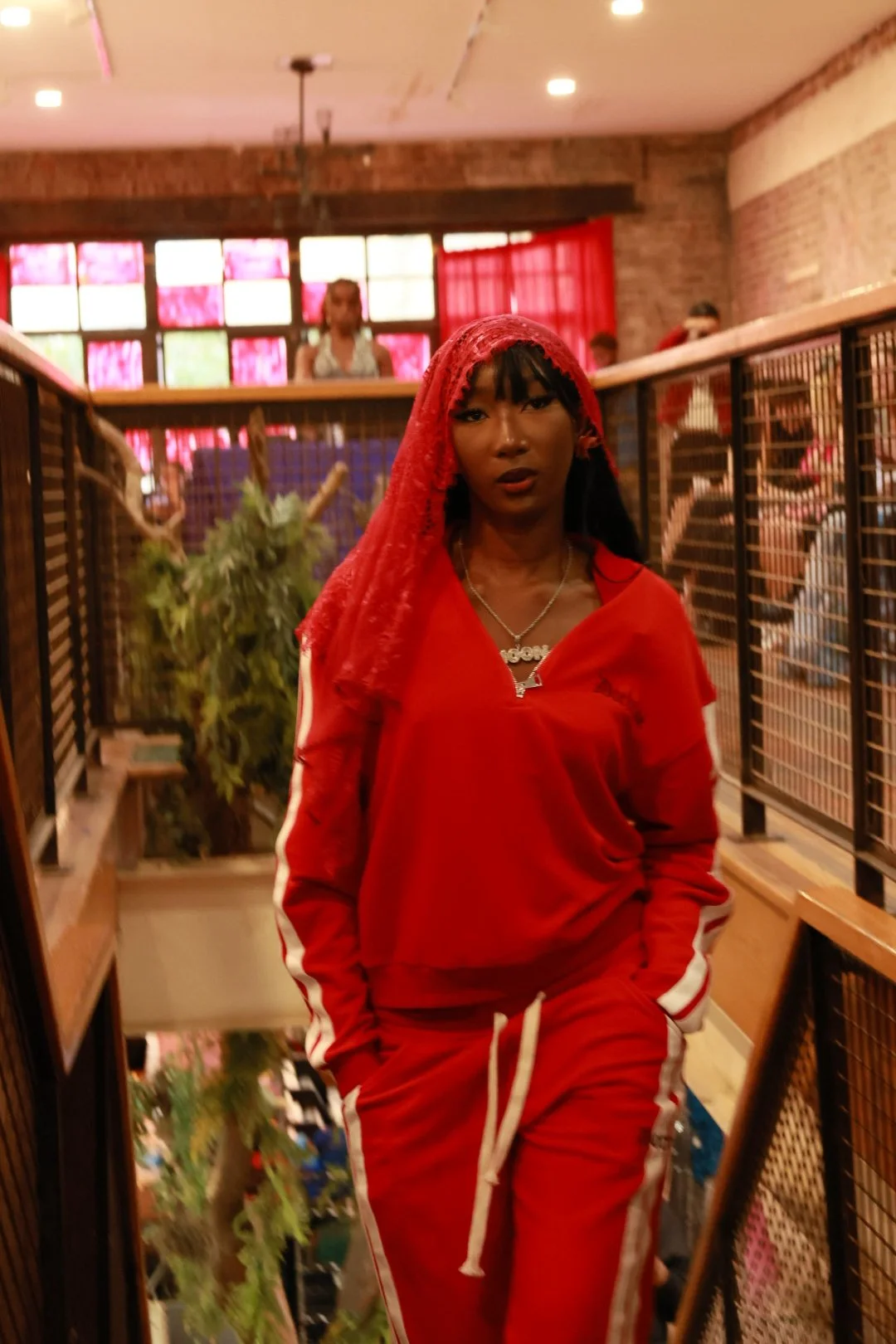
What happened next was not on the schedule anyone expected.
Moon made a surprise appearance on the runway and closed out the show in the final look from The Stylist Collective featuring Doctrine Denim.
That moment shifted the energy in the room because Moon had arrived as a guest and suddenly became part of the performance.
There is a difference between being photographed at Fashion Week and actually contributing to the moment. Moon did the latter.
She walked out in the final look with the confidence of someone who understood that a runway is simply another type of stage. There was no need to over-explain it or manufacture a big celebrity moment around it. The surprise worked because it felt connected to who she already was.
A rapper stepped onto the runway.
The runway became another part of the rap story.
That is a much more interesting headline.
DOCTRINE DENIM KNOWS THE RAP GAME
Moon just added her name to a much bigger streetwear lineage.
The significance of the Doctrine Denim moment goes beyond the garment itself.
Doctrine is part of Modern Brands Group, a celebrity-focused fashion company with a history deeply connected to hip-hop and the artists who helped establish rap's visual identity.
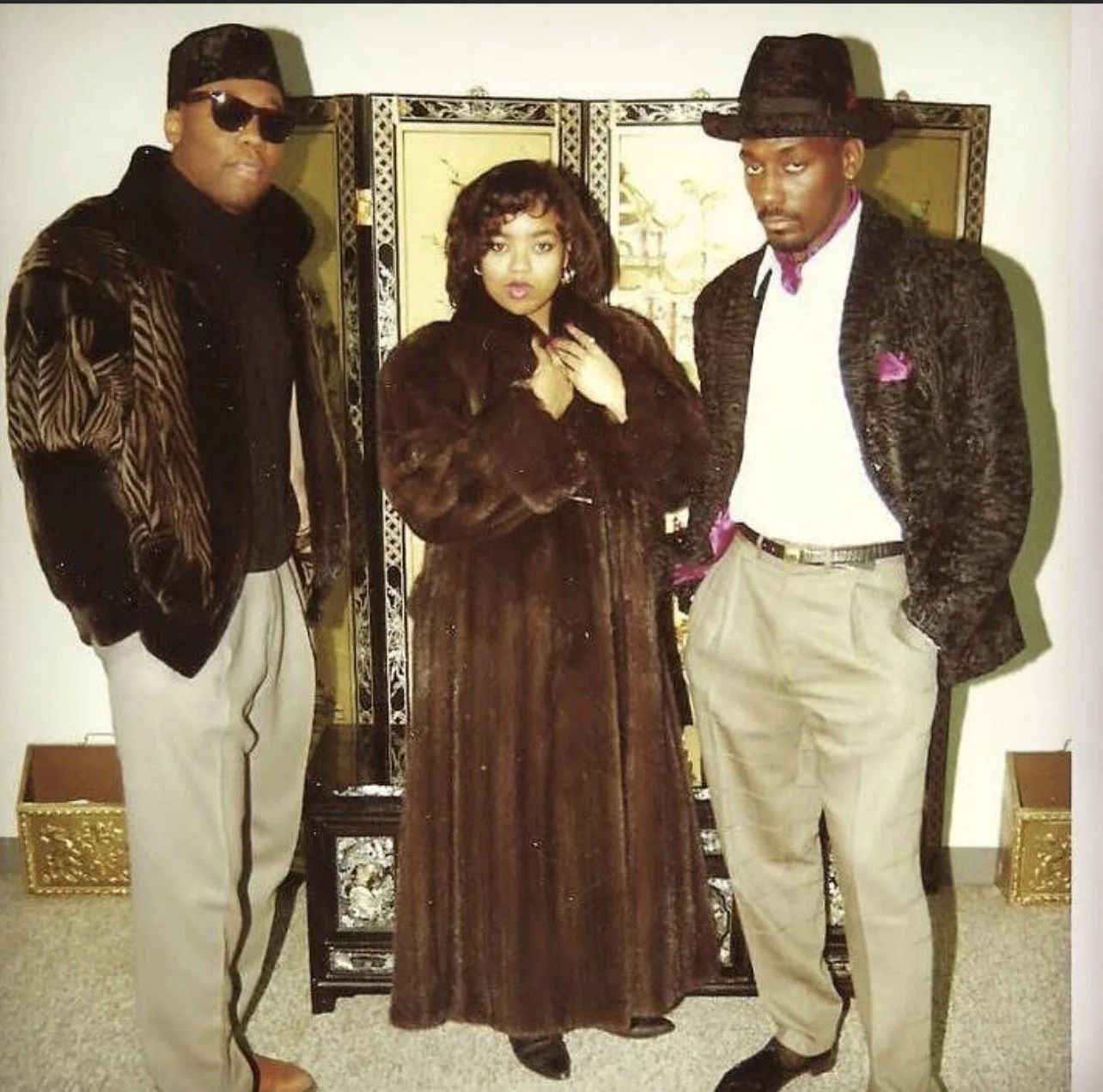
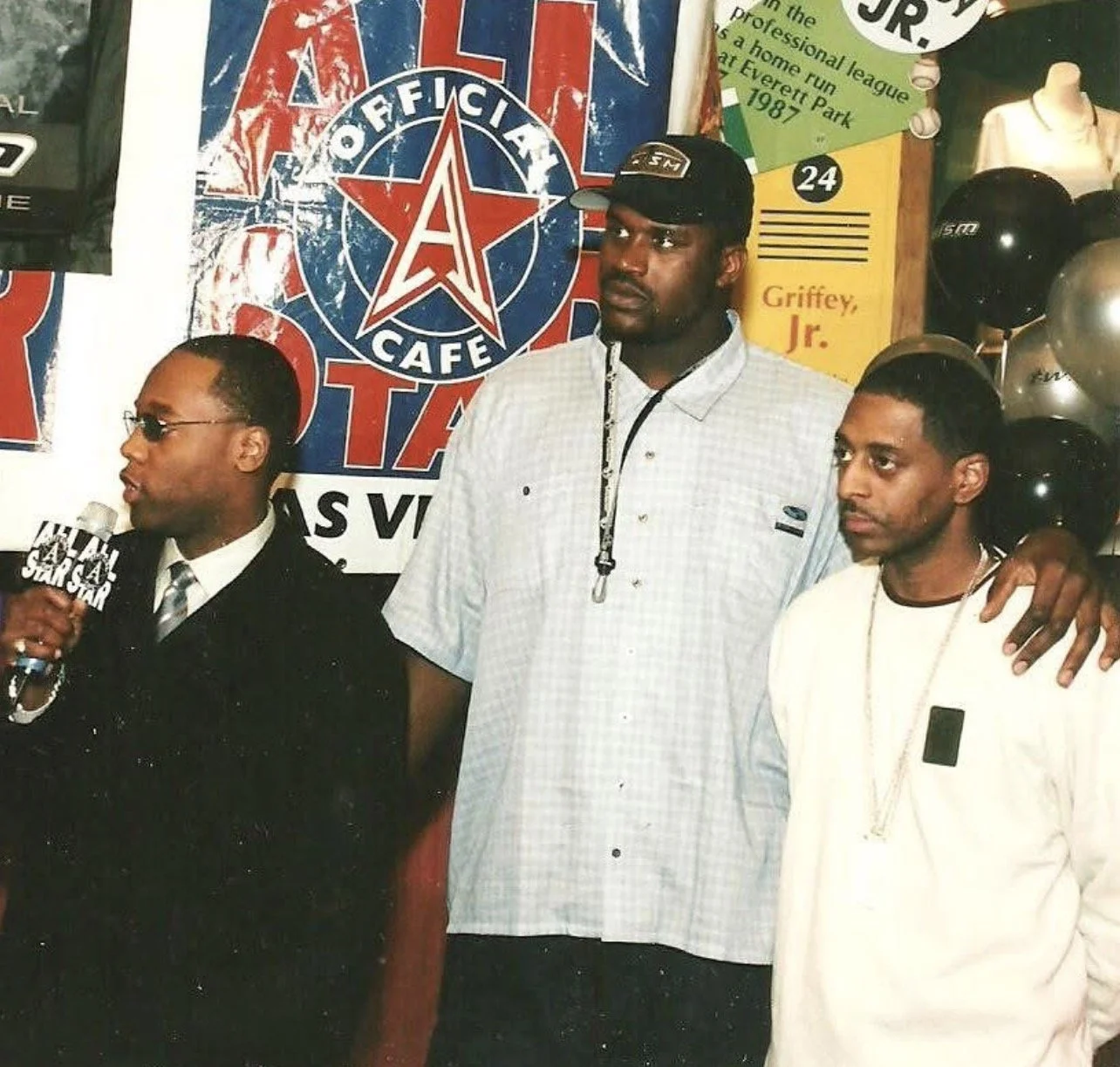
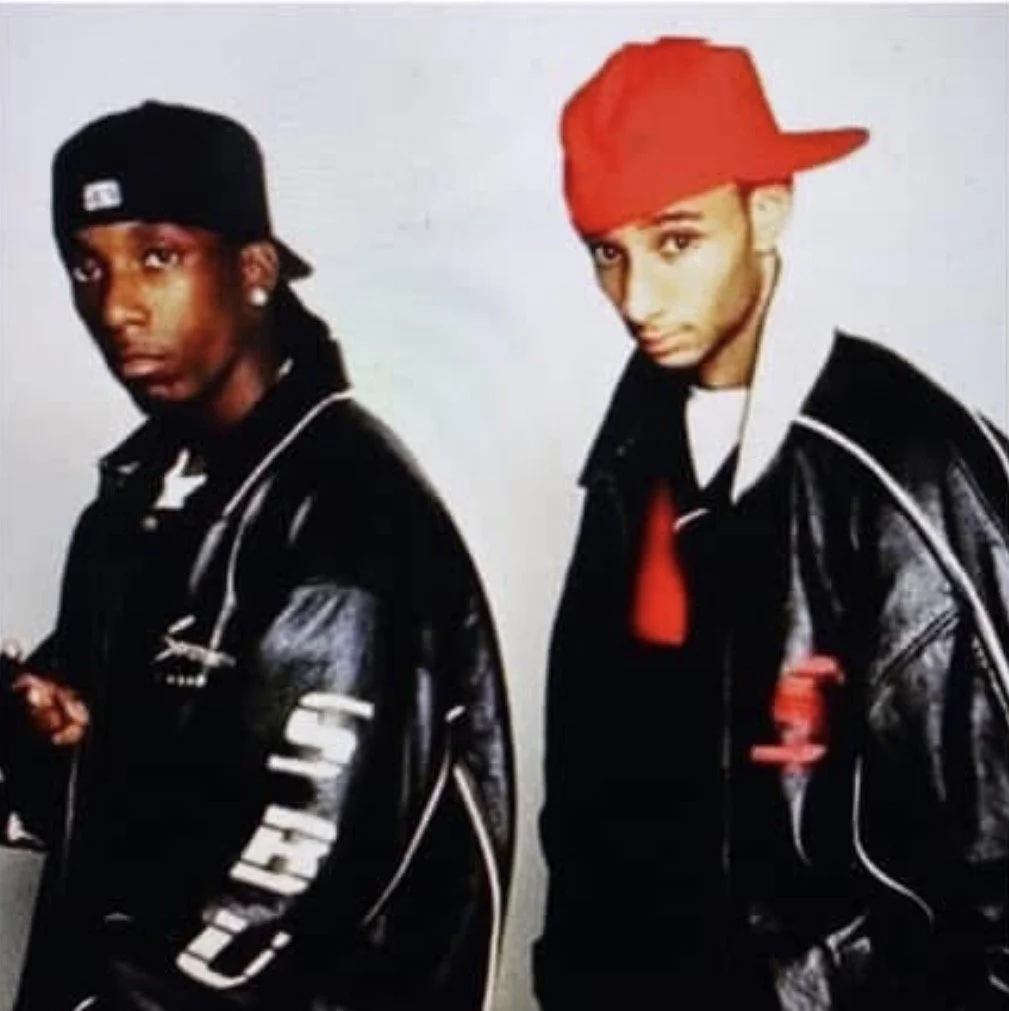
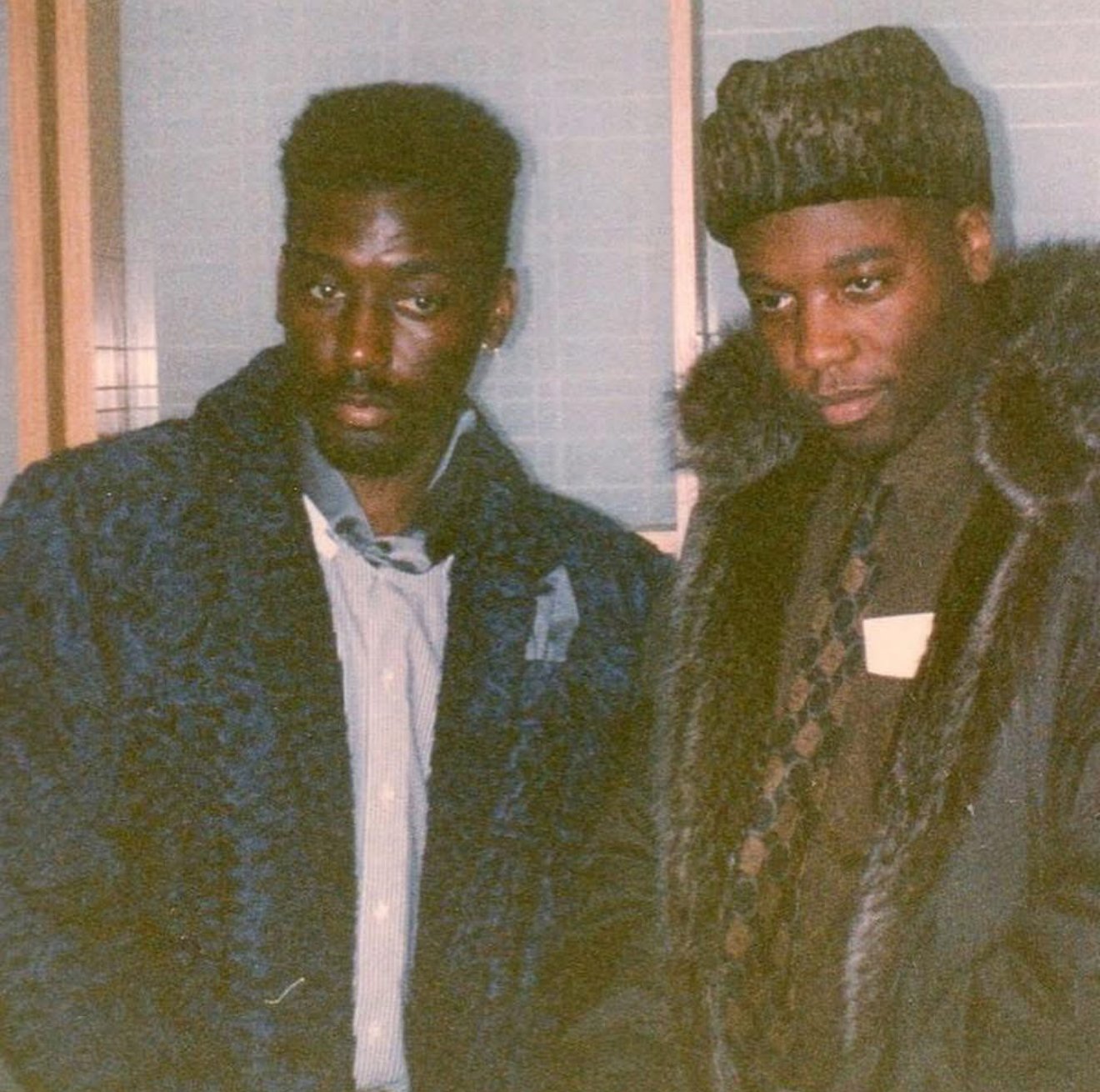
The company's brand history stretches back to the 1980s, when its brands were dressing some of hip-hop's earliest stars and helping establish the relationship between rappers, streetwear, and celebrity culture. That history includes names such as Big Daddy Kane, Big L, and Shaquile O’Neil, alongside decorated recording artists who helped make hip-hop a global cultural force.
That lineage did not disappear with the first generation.
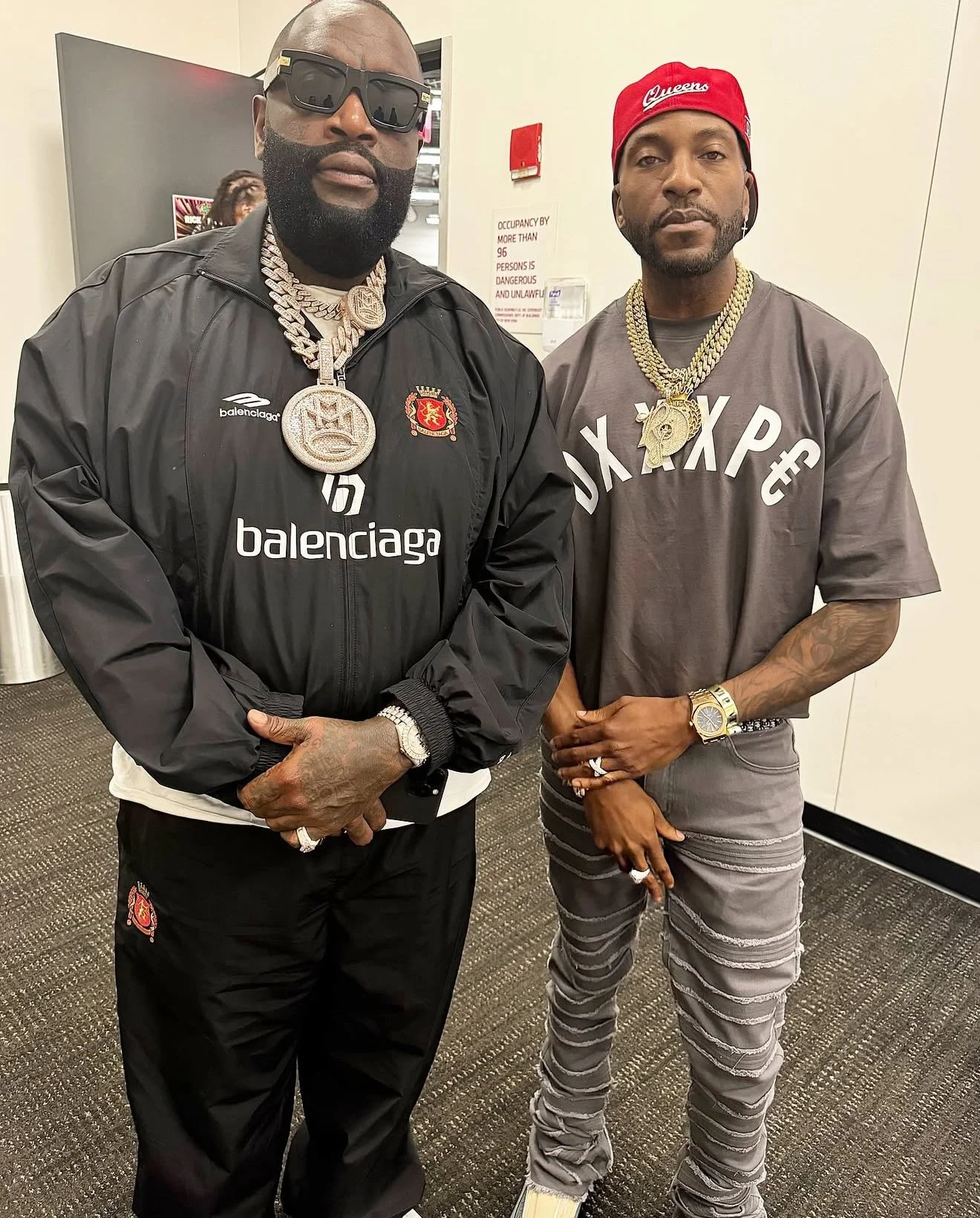
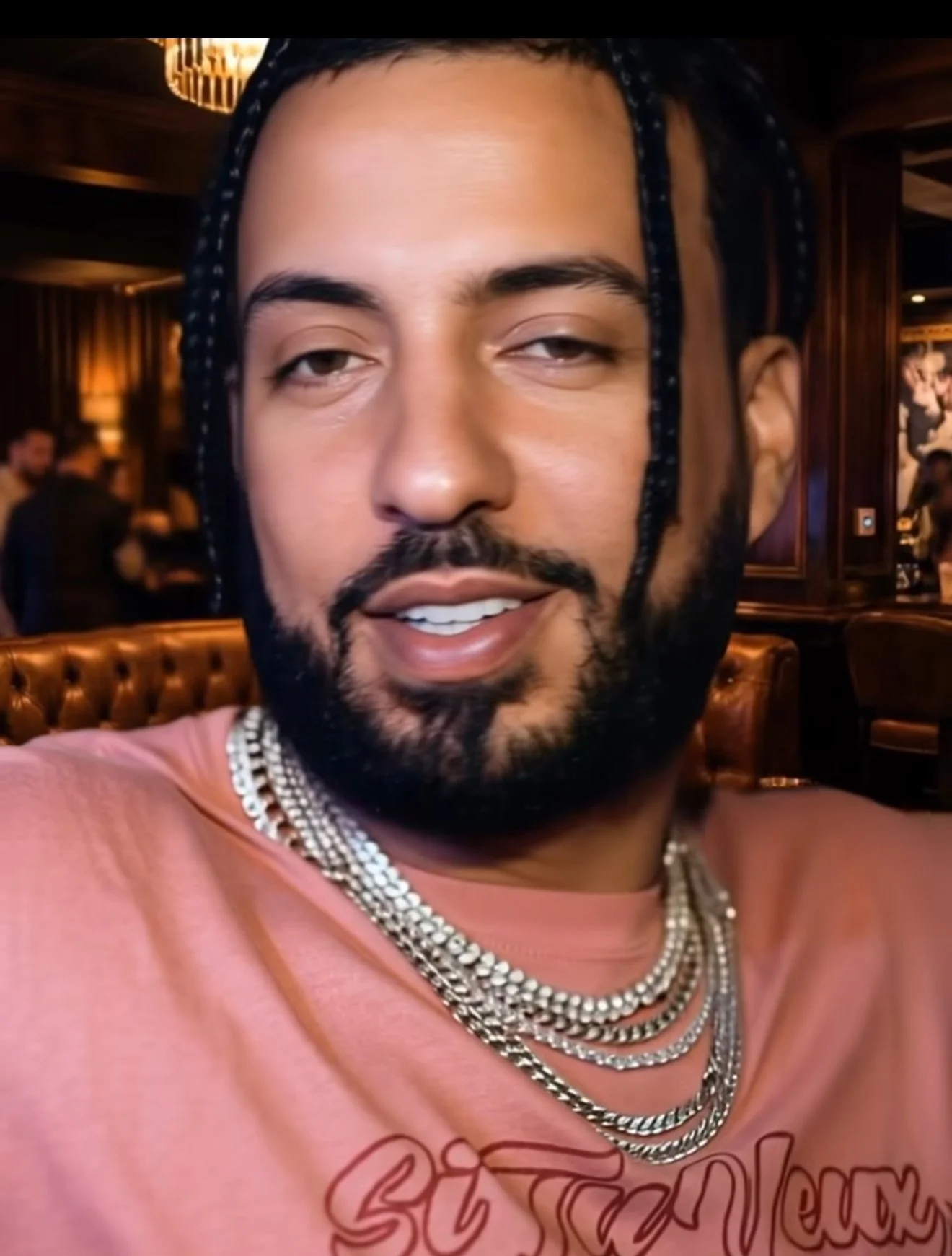
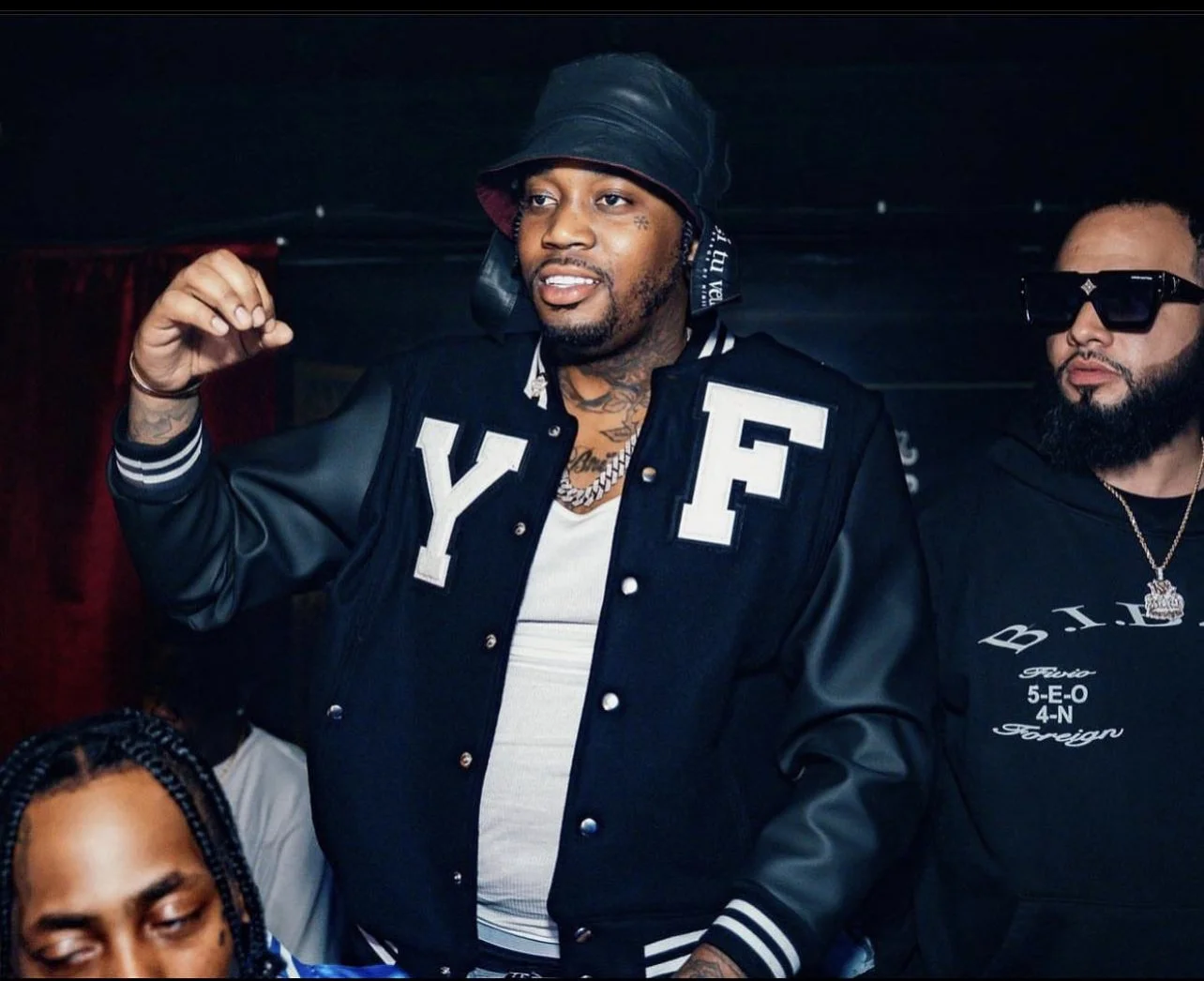
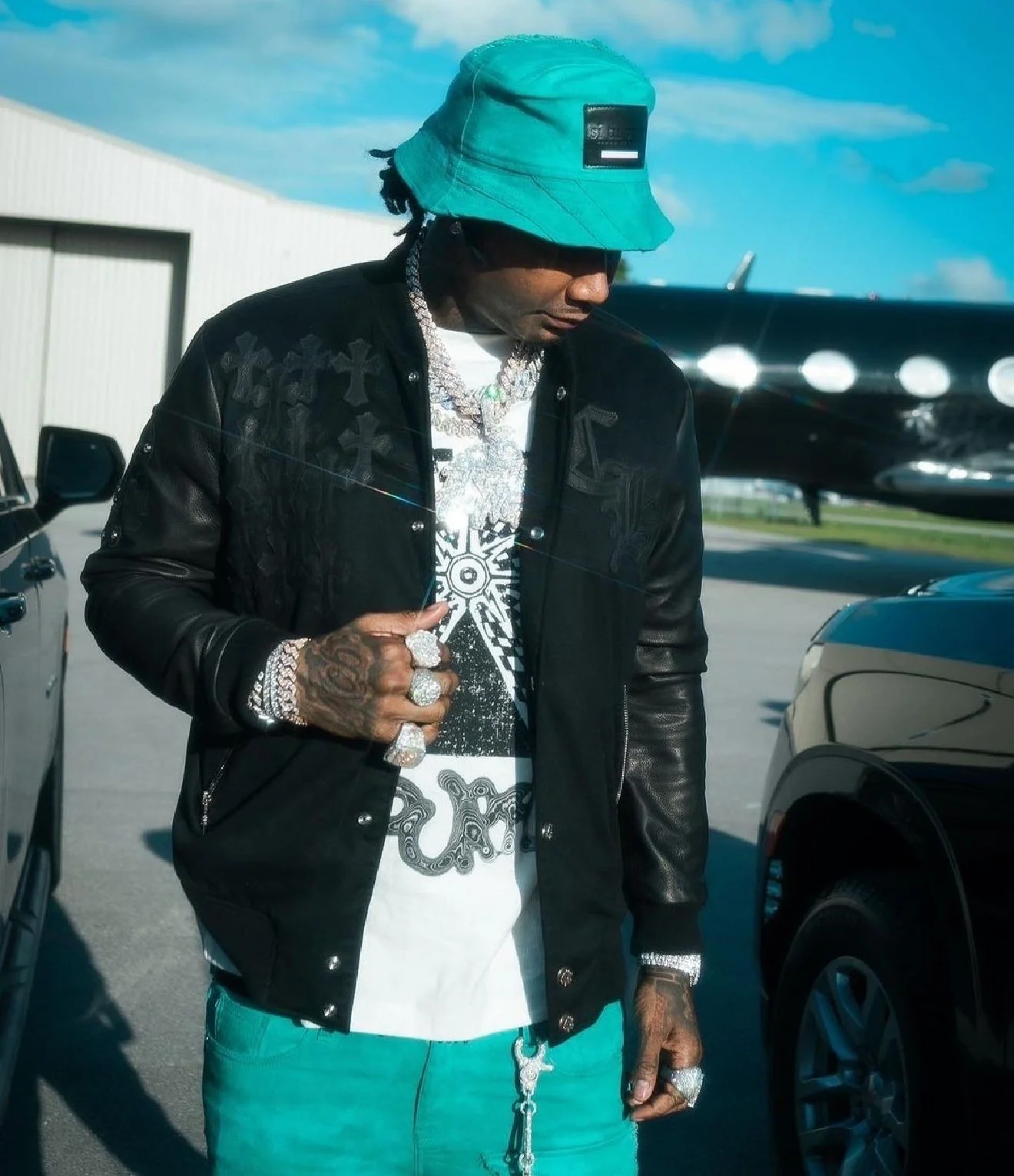
Modern Brands Group's streetwear brands have continued to dress contemporary artists, including Rick Ross, Fivio Foreign, French Montana, Moneybagg Yo, Gunna, keeping the relationship between its brands and rap culture alive across generations.
Now Moon is part of that visual conversation.
And there is something significant about that.
Hip-hop is obsessed with lineage because the culture has always been built through references. Artists sample records. They recreate silhouettes. They quote lyrics. They revisit eras. They bring old sounds into new production. Fashion works the same way.
A brand with history dresses a new rapper.
The new rapper carries that history somewhere else.
That is how culture moves.
MOON IS NOT JUST THE LOOK
Strip away the clothes and the reason for the crossover becomes obvious: she is an artist.
It would be easy to make Moon's NYFW appearance entirely about what she wore. That would also be the least interesting way to tell the story.
The clothes are part of the image, but the music is the center.
Moon is a French-Korean rapper moving through a culture that has always rewarded artists who can create their own mythology. Her identity gives her a perspective that does not fit neatly into one market or one scene, and that is precisely what makes her interesting.
She can exist in the world of French music, Korean cultural references, American hip-hop, and fashion without needing to flatten herself into one category. That matters because rap has never been a genre that stays in one place. It absorbs whatever is around it and turns those influences into something new.
Moon's presence at NYFW felt like an extension of that same instinct. She brought her music, her identity, her styling, and her team into a room built around fashion, then crossed the invisible line between audience and performer.
The runway was simply another platform.
THE RAP GAME HAS ALWAYS BEEN FASHION'S OTHER STAGE
Long before the industry called it a crossover, rappers were already building fashion movements.
There is a reason moments like this still resonate.
Hip-hop has never treated clothing as background decoration. From the beginning, rappers used fashion to establish identity, status, regional allegiance, rebellion, aspiration, and attitude. Streetwear became a visual vocabulary because artists understood that people could read an outfit almost as quickly as they could hear a hook.
That relationship between music and clothing has only become more complicated with time.
Today, the rapper can be the campaign, the designer can become the celebrity, the runway can become a performance stage, and a fashion showroom can become a meeting place for the next generation of cultural collaborators.
Moon belongs to that new generation.
She is not stepping into fashion because she has run out of things to say musically. She is using fashion for what rappers have always used it for: another way to communicate.
The difference is that today's artists have an even larger canvas.
Music videos, live performances, editorial shoots, social media, fashion shows, street photography, and brand collaborations all become pieces of the same artistic universe.
Moon knows how to inhabit that universe.
NEW YORK GETS THE IMAGE
And then there is the part we are saving until the very end.
The New York moment had all the ingredients of a story that could have ended right there.
Moon arrives.
Moon and her team are hosted by the Musa Creator Circle.
Moon delivers a look.
Moon surprises the room.
Moon closes the runway in Doctrine Denim.
The photographs circulate.
Everybody goes home.
Except this story was never meant to end in New York.
PARIS GETS THE NEXT CHAPTER
What started as a surprise in New York becomes a full-circle moment in Paris.
Moon will be performing during the FXCKALABEL Paris Fashion Week event, bringing this collaboration and the same music-meets-fashion energy back to Paris.
That is where the New York appearance takes on another meaning.
She did not simply close a runway in New York and move on to the next thing. The moment becomes part of a larger journey, with the collaboration continuing across fashion capitals and bringing Moon back to a city that carries a different but equally important part of her story.
New York gave us the surprise appearance.
Doctrine gave the moment its hip-hop lineage.
Musa gave Moon and her team a place inside the creative conversation.
And now Paris gets the music.
For an artist whose identity already lives between cultures, cities, and creative disciplines, there is something fitting about the story coming full circle this way. Moon is not choosing between being a rapper and being part of fashion culture. She is doing what rappers have done since the beginning: taking every available medium and making it part of the world they are building.
New York saw her walk.
Paris will hear her.
And that is where the next chapter starts.
This version keeps the Paris reveal completely at the end, makes the music the editorial spine, and treats the fashion as part of Moon's rap-world rather than turning her into a fashion influencer. It also gives you natural places for hero shots, outfit details, VIP/Musa imagery, runway photos, Doctrine archive images, Moon portraits, and the Paris announcement graphic.
